
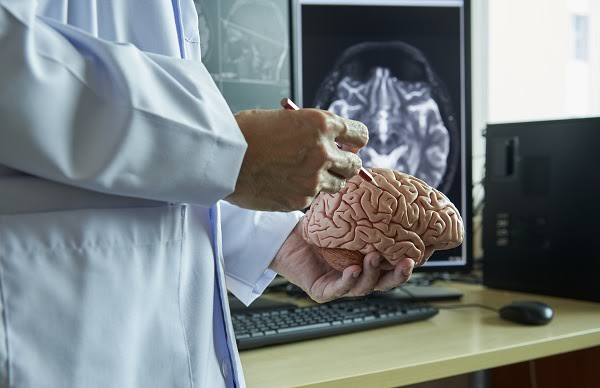
Neuro Surgeon in Shahdol for Brain, Spine and Nerve Problems By Dr.Ritesh Nawkhare
Health problems affecting the brain, spine, or nerves can interfere with daily activities and overall well-being. Persistent headaches, seizures, numbness, muscle weakness, or ongoing back and neck pain may indicate an underlying condition that needs medical attention. Consulting a qualified Neuro Surgeon in Shahdol can help patients understand their symptoms and explore suitable treatment options. A neurosurgical consultation includes reviewing medical history, assessing neurological symptoms, and examining previous MRI or CT reports. Further investigations may be recommended when necessary. Treatment depends on the diagnosis and may include medication, rehabilitation, regular monitoring, or surgery for conditions that require an operation.
The goal is to identify the cause of symptoms, explain treatment choices clearly, and help patients make informed decisions about their care. Sudden weakness, difficulty speaking, a severe unexpected headache, or loss of bladder or bowel control requires urgent medical attention.
Brain Conditions That May Require Neurosurgical Care
The brain controls movement, memory, speech, sensation, and many other important functions. Certain conditions affecting the brain may require assessment by a neurosurgeon to determine the most appropriate treatment.
▪ Brain Tumours: Abnormal growths may cause headaches, seizures, vision changes, or weakness. Treatment depends on the type, location, and size of the growth.
▪ Head Injuries: Falls and road accidents can cause serious brain injuries. Prompt assessment helps identify injuries that need urgent treatment.
▪ Hydrocephalus: An abnormal buildup of cerebrospinal fluid can increase pressure inside the skull and may require specialised treatment.
▪ Selected Brain Haemorrhages: Bleeding inside or around the brain requires urgent medical evaluation. Some cases may need neurosurgical intervention.
Spine and Nerve Conditions Evaluated by a Neuro Surgeon in Shahdol
Spinal problems can affect movement, comfort, and nerve function. Symptoms may begin as mild discomfort but become more troublesome when nerve compression or structural changes are involved. A proper examination helps determine the cause and whether specialist treatment is necessary.
▪ Slipped Disc: A herniated disc may press on nearby nerves and cause back pain, sciatica, tingling, or weakness.
▪ Spinal Stenosis: Narrowing around the spinal nerves or spinal cord can cause pain, numbness, and difficulty walking.
▪ Spinal Cord Compression: Pressure on the spinal cord may affect balance, coordination, strength, and sensation.
▪ Spinal Injuries: Fractures or other injuries may require specialized assessment to determine spinal stability and protect nerve function.
How a Neurosurgeon Evaluates Your Condition ?
Every patient experiences symptoms differently. A detailed evaluation helps the doctor understand the possible cause instead of relying on symptoms or scan reports alone.
1.Understanding Your Symptoms
The doctor asks when the symptoms started, how they have changed, and whether they affect sleep, movement, work, or daily activities. Previous illnesses, injuries, treatments, and medications may also be relevant.
2.Neurological Examination
The examination may include checking muscle strength, reflexes, sensation, coordination, and walking ability. These findings help identify possible problems involving the brain, spinal cord, or nerves.
3.Reviewing Scans and Investigation Reports
MRI and CT scans can provide useful information about structural abnormalities. The doctor interprets these findings alongside the clinical examination to determine whether the identified changes explain the patient’s symptoms.
Treatment Options Based on Individual Needs By Neuro Surgeon in Shahdol
Neurosurgical treatment depends on the diagnosis, severity of symptoms, overall health, and potential risks. Some conditions can be managed without surgery, while others require an operation or urgent intervention.
▪ Medication and Monitoring: May be suitable for selected conditions that do not require immediate surgery.
▪ Rehabilitation: Helps address movement limitations and supports recovery when appropriate.
▪ Brain Surgery: May be recommended for certain tumours, bleeding, or other structural conditions.
▪ Spine Surgery: Procedures may be considered when significant nerve compression, spinal instability, or another surgical condition is identified.
The doctor should explain the available options, expected benefits, possible complications, and recovery requirements before planned surgery.
When Should You Seek Neurosurgical Advice?
Neurological symptoms that persist or worsen may indicate an underlying problem affecting the brain, spine, or nerves. A neurosurgical evaluation can help identify the cause and determine suitable treatment.
▪ Persistent Headaches: Frequent headaches with vomiting or vision changes.
▪ Recurring Seizures: Repeated seizures or unexplained changes in awareness.
▪ Weakness and Numbness: Unexplained loss of strength or sensation.
▪ Balance Problems: Difficulty walking or coordinating movements.
▪ Spine-Related Symptoms: Back or neck pain with radiating pain or weakness.
▪ Sudden Neurological Changes: Sudden weakness, facial drooping, or difficulty speaking requires emergency care.
▪ Bladder or Bowel Changes: New loss of control with back pain or leg weakness requires urgent assessment.
Seek timely medical attention, and never delay emergency care while waiting for a routine neurosurgical consultation.
Understanding the Role of a Neuro Surgeon in Shahdol
A neurosurgeon is a specialist trained to evaluate and surgically treat selected conditions affecting the brain, spine, spinal cord, and peripheral nerves. Neurosurgical care may involve planned procedures, urgent interventions, or consultation for conditions that require monitoring and non-surgical management.
Symptoms involving the nervous system can have several possible causes. For example, headaches may arise from conditions that do not require surgery, while weakness or changes in coordination may indicate a problem that needs further investigation. A detailed assessment helps determine the appropriate next step.
Brain and Cranial Conditions By Neuro Surgeon in Shahdol
The brain controls important functions such as movement, speech, memory, sensation, and coordination. Certain structural conditions affecting the brain may require neurosurgical assessment to determine whether treatment or surgery is necessary.
▪ Brain tumours and other intracranial growths.
▪ Selected cases of brain haemorrhage and traumatic brain injuries.
▪ Hydrocephalus and disorders affecting cerebrospinal fluid circulation.
▪ Structural abnormalities requiring specialised evaluation.
▪ Certain conditions associated with pressure or compression within the skull.
The treatment approach depends on the location and nature of the condition, the patient’s symptoms, and the findings of diagnostic investigations.
Spine and Spinal Cord Disorders By Neuro Surgeon in Shahdol
The spine supports the body and protects the spinal cord, which carries messages between the brain and the rest of the body. Conditions affecting spinal discs, vertebrae, or surrounding structures may cause pain, numbness, weakness, and restricted movement.
▪ Herniated or slipped discs causing nerve compression.
▪ Cervical and lumbar spinal stenosis.
▪ Spinal cord compression and selected spinal tumours.
▪ Spinal injuries and vertebral fractures.
▪ Structural spinal conditions that may require decompression or stabilisation.
A neurosurgical evaluation helps determine whether the symptoms are related to nerve compression, spinal instability, an injury, or another underlying problem.
Weakness, Numbness and Nerve-Related Symptoms By Neuro Surgeon in Shahdol
Weakness, tingling, and reduced sensation may occur when the brain, spinal cord, or peripheral nerves are affected. Some patients experience symptoms in one arm or leg, while others notice changes in coordination or walking.
A neurological examination evaluates muscle strength, reflexes, sensation, and functional movement. The findings help determine whether additional investigations or specialist treatment are necessary.
Non-Surgical Management and Monitoring By Neuro Surgeon in Shahdol
Selected neurological and spinal conditions may be managed with medication, observation, rehabilitation, or other appropriate treatments. Regular monitoring helps assess whether symptoms remain stable or require further intervention.
▪ Medication when suitable for the diagnosed condition.
▪ Rehabilitation to support movement and functional recovery.
▪ Follow-up examinations to monitor symptoms and neurological function.
▪ Further investigations when symptoms change or the diagnosis remains uncertain.
Non-surgical management is appropriate only when it is consistent with the patient’s clinical needs.
Benefits of Timely Neurosurgical Assessment By Neuro Surgeon in Shahdol
A timely evaluation can help clarify the cause of neurological symptoms and identify conditions that require specialised treatment. The benefits depend on the diagnosis and the treatment provided.
▪ Early Identification: Helps recognise potential structural problems affecting the brain, spine, or nerves.
▪ Appropriate Investigations: Supports the selection of diagnostic tests based on clinical findings.
▪ Individualised Treatment: Helps match treatment recommendations to the patient’s condition and needs.
▪ Assessment of Nerve Function: Identifies possible changes in strength, sensation, coordination, and movement.
▪ Informed Decisions: Allows patients to understand treatment options, risks, and expected outcomes.
▪ Progress Monitoring: Helps evaluate recovery and identify new or worsening symptoms.
Early assessment does not guarantee a particular outcome, but it can help guide timely and appropriate medical care.
Why Choose Dr.Ritesh Nawkhare As a Qualified Neurosurgeon?
Choosing a qualified neurosurgeon involves considering relevant training, experience with the diagnosed condition, access to appropriate diagnostic facilities, and the quality of communication during consultations.
▪ Relevant Qualifications: Check recognised specialist training and professional credentials.
▪ Condition-Specific Experience: Ask about experience managing the particular brain, spine, or nerve condition.
▪ Clear Explanations: A suitable specialist should explain the diagnosis and available treatment options in understandable language.
▪ Balanced Treatment Planning: Recommendations should consider non-surgical care and surgery when appropriate.
▪ Transparent Discussions: Patients should have an opportunity to ask about benefits, risks, recovery, and alternatives.
▪ Follow-Up Care: Ongoing review may be important for monitoring symptoms and recovery.
For patients in Shahdol, the availability of an appropriate specialist, hospital facilities, and emergency services may influence where treatment is arranged. Confirm the doctor’s qualifications, consultation availability, and the facilities offered before booking an appointment.
Frequently Asked Questions - Neuro Surgeon in Shahdol
Book A Consultation With Neuro Surgeon in Shahdol
Brain, spine, and nerve-related symptoms can cause concern, particularly when they affect movement, sleep, or daily independence. A professional evaluation can help identify the possible cause, explain the available treatment options, and determine whether further investigations are necessary.
If you are experiencing persistent headaches, recurring seizures, unexplained weakness, numbness, or spinal symptoms, arrange an appropriate medical consultation. Bring relevant medical records and previous investigation reports to support the assessment.
The right treatment depends on an accurate diagnosis and an understanding of your individual medical needs. Seek emergency care for sudden neurological changes rather than waiting for a routine appointment.