
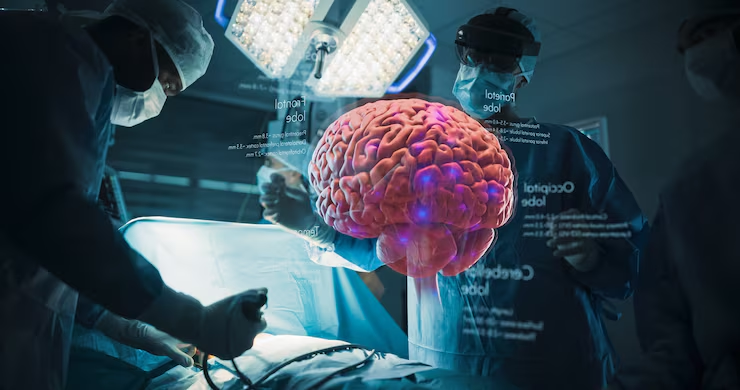
Brain Surgeon in Shahdol By Dr.Ritesh Nawkhare
Brain health plays an important role in movement, memory, communication, coordination, and everyday activities. When a person experiences persistent headaches, seizures, weakness, changes in vision, or difficulty maintaining balance, it can create uncertainty for the entire family. Finding the right medical guidance is an important step towards understanding these concerns. A qualified Brain Surgeon in Shahdol can help evaluate symptoms, identify possible brain-related conditions, and explain suitable treatment options based on individual needs. Brain surgery is not necessary for every neurological problem. Some conditions respond to medication, regular monitoring, or other non-surgical treatments. However, certain brain conditions may require an operation to relieve pressure, remove an abnormal growth, or address a structural problem. Careful assessment helps determine which approach may be appropriate.
Understanding the Role of a Brain Surgeon
A brain surgeon is a medical specialist trained in neurosurgery, which focuses on selected conditions affecting the brain and related structures of the nervous system. The specialist assesses the nature of the problem, reviews diagnostic reports, and considers how the condition affects the patient’s health and daily life.
During a consultation, the doctor may ask about the onset of symptoms, previous illnesses, head injuries, current medicines, and any changes in physical or mental function. A neurological examination may include checking muscle strength, sensation, reflexes, coordination, vision, and balance.
▪ Reviewing symptoms and medical history to understand the patient’s concerns.
▪ Examining MRI, CT, and other relevant investigation reports.
▪ Identifying whether further testing or specialist assessment is needed.
▪ Discussing suitable treatment choices, including non-surgical care where appropriate.
▪ Explaining the possible benefits, risks, and recovery considerations of surgery when required.
Common Brain Conditions That Need Specialist Evaluation
Different brain conditions can cause similar symptoms. A detailed examination and appropriate investigations help identify the cause and guide treatment.
1. Brain Tumours and Abnormal Growths
Brain tumours may cause persistent headaches, seizures, vision changes, or weakness. Treatment depends on the tumour’s type, size, location, and effect on surrounding brain tissue.
2. Head Injuries and Brain Trauma
Head injuries may lead to dizziness, confusion, vomiting, or loss of consciousness. Severe injuries can cause bleeding or swelling and require urgent medical attention.
3. Seizures and Epilepsy
Seizures may cause involuntary movements, temporary loss of awareness, or confusion. Treatment may involve medication, while selected cases require further neurosurgical evaluation.
Other Brain Conditions Requiring Medical Attention
Some conditions affect fluid circulation, pressure within the skull, or the brain’s normal structure. Early assessment helps determine the appropriate care.
1. Brain Bleeding and Increased Pressure
Bleeding or increased pressure inside the skull may cause severe headaches, vomiting, weakness, or reduced alertness. These symptoms require emergency evaluation.
2. Hydrocephalus
Hydrocephalus occurs when excess cerebrospinal fluid accumulates in the brain. Treatment depends on the cause and may involve monitoring or a procedure to improve fluid circulation.
3. Structural Brain Abnormalities
Certain structural changes can affect movement, coordination, or other neurological functions. Treatment is guided by the diagnosis, symptom severity, and investigation findings.
Preparing for Your Brain Surgeon Consultation
A little preparation can help make the appointment more useful. Patients may bring a family member or caregiver if they need assistance explaining their symptoms or understanding the medical advice.
Consider bringing:
▪ Previous MRI, CT scan, and other investigation reports.
▪ Current prescriptions and a list of medicines being taken.
▪ Records of previous brain conditions, injuries, or operations.
▪ A brief timeline of symptoms and any recent changes.
▪ Questions about diagnosis, treatment choices, recovery, and follow-up.
Sharing accurate information helps the doctor understand the situation and recommend suitable next steps.
Treatment Options for Brain Conditions
Treatment depends on the underlying condition, its severity, the patient’s general health, and whether the brain or nearby structures are under pressure.
1.Non-Surgical Management
Some conditions can be managed without an operation. Depending on the diagnosis, treatment may include prescribed medication, observation, rehabilitation, or follow-up investigations. Regular monitoring may help doctors identify changes that require a different approach.
2.Brain Surgery When Necessary
Surgery may be recommended for selected conditions, such as certain brain tumours, some cases of bleeding or pressure build-up, or structural abnormalities requiring an operation. The specific procedure depends on the location and nature of the problem.
Before surgery, the medical team explains the purpose of the procedure, potential risks, expected benefits, and recovery needs. The decision should be based on the individual clinical assessment rather than symptoms alone.
Recovery and Follow-Up Care
Recovery after brain treatment depends on the patient’s condition, the procedure performed, and overall health. Proper follow-up and care can help patients manage recovery and identify concerns early.
▪ Hospital Observation: Some patients need monitoring in the hospital after treatment or surgery.
▪ Medication and Rehabilitation: Medicines, rehabilitation, or therapy may be recommended according to individual needs.
▪ Follow-Up Investigations: Doctors may advise repeat scans or regular check-ups to monitor progress.
▪ Activity and Safety Guidance: Patients should follow medical advice about rest, daily activities, and warning signs.
▪ Ongoing Monitoring: Attending scheduled appointments helps the care team review recovery and address new symptoms.
Benefits of Consulting a Brain Surgeon in Shahdol
▪ Accurate Assessment: Helps identify possible causes of brain-related symptoms through clinical examination and appropriate investigations.
▪ Early Identification of Problems: Supports timely evaluation of conditions that may require specialised treatment.
▪ Personalised Treatment Planning: Helps patients understand suitable options based on their diagnosis and overall health.
▪ Understanding Surgical Options: Explains when brain surgery may be necessary, including its potential benefits and risks.
▪ Access to Non-Surgical Care: Identifies when medication, monitoring, or rehabilitation may be appropriate.
▪ Better Symptom Management: Provides guidance for managing symptoms and addressing changes in neurological function.
▪ Informed Decision-Making: Helps patients and families understand the diagnosis, available treatments, and expected recovery needs.
▪ Recovery and Follow-Up Guidance: Supports continued monitoring and appropriate care after treatment or surgery.
Advanced Benefits of Choosing a Brain Surgeon in Shahdol
▪ Comprehensive Brain Assessment: Evaluates symptoms, clinical findings, and scan reports.
▪ Early Condition Detection: Helps identify problems requiring timely medical attention.
▪ Personalised Treatment Planning: Recommends care based on diagnosis and overall health.
▪ MRI and CT Scan Review: Connects imaging findings with symptoms to guide treatment.
▪ Complex Brain Condition Management: Assesses selected tumours, injuries, and structural abnormalities.
▪ Protection of Brain Functions: Considers movement, speech, memory, and coordination during treatment planning.
▪ Non-Surgical Treatment Options: Explores medication, monitoring, or rehabilitation when suitable.
▪ Clear Surgical Guidance: Explains potential benefits, risks, and recovery expectations before surgery.
Long-Term Benefits of Specialist Brain Care
1.Better Preparation for Recovery
▪ Individualised guidance helps patients understand rest, medication, rehabilitation, and activity restrictions after treatment.
2.Coordinated Multidisciplinary Treatment
▪ Collaboration with other specialists may help address complex conditions that require different types of medical expertise.
3.Ongoing Monitoring and Follow-Up
▪ Scheduled reviews help assess progress, monitor selected conditions, and identify changes that need further attention.
4.Greater Confidence in Treatment Decisions
▪ Clear explanations of the diagnosis and available options help patients and families make informed healthcare decisions.
5.Support for Patients and Caregivers
▪ Practical advice helps families understand care requirements and recognize warning signs during recovery.
Personalized Treatment Planning and Recovery Support
1.Coordinated Care for Other Health Conditions
▪ Doctors consider existing medical conditions and medications before recommending treatment.
2.Preparation Before Brain Surgery
▪ Preoperative assessment helps evaluate health, review investigations, and explain the procedure.
3.Post-Treatment Monitoring
▪ Follow-up visits help track recovery and identify new or worsening symptoms.
4.Personalised Rehabilitation
▪ Rehabilitation may help improve movement, balance, coordination, and daily functioning.
5.Guidance for Family Caregivers
▪ Clear instructions help families manage medicines, activity restrictions, and follow-up care.
6.Informed Treatment Decisions
▪ Understanding treatment options, potential risks, and expected outcomes helps patients make informed decisions.
Recovery After Brain Surgery
Recovery after brain surgery depends on the condition, type of procedure, and the patient’s overall health. Proper follow-up and personalised care help patients manage recovery safely.
1.Hospital Monitoring
▪ Doctors monitor neurological function and general health after surgery.
2.Medication and Wound Care
▪ Follow prescribed medicines and surgical wound-care instructions.
3.Rest and Gradual Activity
▪ Resume daily activities gradually, following the treating doctor’s advice.
4.Rehabilitation Support
▪ Selected patients may need therapy to improve strength, balance, speech, or coordination.
5.Regular Follow-Up
▪ Attend scheduled appointments and investigations to assess recovery.
6.Family Support
▪ Caregivers can assist with daily activities and help follow medical instructions.
7.Recognising Warning Signs
▪ Seek urgent medical attention for new weakness, seizures, confusion, reduced consciousness, or a sudden severe headache.
Why Choose a Qualified Brain Surgeon?
Brain-related conditions can be complex, and patients often need clear explanations before making important treatment decisions. Choosing a properly qualified neurosurgeon helps ensure that the assessment and treatment recommendations are based on relevant medical training and clinical findings.
▪ Appropriate specialist training: Check the doctor’s recognised qualifications and experience in neurosurgery.
▪ Careful clinical assessment: Symptoms, examination findings, and imaging results should be considered together.
▪ Clear treatment discussions: Patients should understand the available options and why a particular approach is recommended.
▪ Individualized care planning: Treatment should reflect the diagnosis, overall health, and personal needs of the patient.
▪ Follow-up guidance: Patients should receive clear instructions about recovery, monitoring, and when to seek further medical help.
Before booking an appointment, confirm the specialist’s qualifications, consultation location, and available hospital facilities.
Frequently Asked Questions - Brain Surgeon in Shahdol
Book A Consultation With Brain Surgeon in Shahdol
If you or a family member is experiencing persistent headaches, seizures, unexplained weakness, or other brain-related symptoms, seeking specialist advice can help clarify the cause and identify suitable treatment options. Consulting a qualified Brain Surgeon in Shahdol allows patients to discuss their concerns, review MRI or CT scan reports, and understand the next steps in care.
▪ Discuss Your Symptoms: Explain when the symptoms started and how they affect daily activities.
▪ Bring Medical Reports: Carry previous scans, prescriptions, and relevant medical records.
▪ Understand Treatment Options: Learn whether further investigations, medication, monitoring, or surgery may be appropriate.
▪ Plan Follow-Up Care: Discuss recovery expectations, rehabilitation, and future appointments when needed.
Choose a qualified neurosurgeon and confirm consultation availability and hospital facilities before booking. For sudden weakness, difficulty speaking, a seizure, or a sudden severe headache, seek emergency medical care immediately instead of waiting for a routine appointment.