Advanced Brain Care and Neurosurgical Treatment by Dr.Ritesh Nawkhare -Experienced Brain Surgeon in Satna
Brain health plays an important role in how we think, move, communicate, and respond to our surroundings. When a condition affects the brain or nearby structures, its impact can range from mild discomfort to changes in everyday functioning. Understanding the reason behind these symptoms is an important part of deciding what care may be needed. For patients searching for a Brain Surgeon in Satna, Dr. Ritesh Nawkhare offers neurosurgical evaluation for conditions involving the brain and nervous system. He holds MBBS, MS (General Surgery), and MCh (Neurosurgery) qualifications. His approach focuses on understanding each patient’s clinical concerns, reviewing relevant investigations, and discussing treatment options according to the diagnosis. A specialist consultation can help patients understand their condition, identify the need for further testing, and explore suitable management options. Depending on the findings, treatment may involve observation, medication, additional investigations, or surgery when medically indicated.
Specialist Care for Conditions Affecting the Brain
The brain manages essential functions such as movement, memory, speech, sensation, and coordination. When a disease, injury, or structural abnormality affects a particular area, patients may experience symptoms that interfere with their health and daily activities. Some conditions develop gradually and cause subtle changes, while others produce noticeable neurological problems that require prompt medical attention. Doctors may identify certain abnormalities during routine investigations or discover them while investigating unrelated symptoms. A detailed assessment helps establish the possible cause and determine whether the condition needs further evaluation. Dr. Ritesh Nawkhare reviews each patient’s symptoms, medical history, neurological examination findings, and relevant imaging reports to understand the nature of the problem. Based on the diagnosis, he considers whether the patient may benefit from regular monitoring, medication, additional investigations, or neurosurgical treatment. When surgery becomes a suitable option, the decision depends on the condition’s severity, its effect on neurological function, and the potential benefits and risks of the procedure. This individualized approach helps patients understand their condition, explore available treatment options, and make informed decisions about their care.
Brain Conditions That May Need Specialist Attention
▪ Brain Tumours: Abnormal growths that may require assessment to determine their type, location, and effect on surrounding tissue.
▪ Intracranial Pressure Problems: Conditions that may cause pressure to build inside the skull and require prompt investigation.
▪ Hydrocephalus: Abnormal accumulation of cerebrospinal fluid that may affect pressure and normal brain function.
▪ Traumatic Brain Injuries: Injuries that may damage brain tissue or surrounding structures following an accident or impact.
▪ Structural Abnormalities: Changes in brain anatomy that may require monitoring, further testing, or treatment.
▪ Selected Vascular Conditions: Certain problems involving blood vessels inside the skull that may require specialist evaluation and coordinated care.
The appropriate treatment varies with the specific condition. Not every abnormality requires an operation, and the need for intervention must be assessed individually.
Signs That Should Not Be Ignored By Brain Surgeon in Satna
Changes in neurological function can sometimes indicate a problem that needs medical attention. The type of symptom alone cannot establish a diagnosis, but its duration, severity, and progression can help guide further evaluation.
Watch for symptoms such as:
▪ Headaches that are persistent, unusual, or progressively worsening.
▪ Repeated vomiting or changes in alertness.
▪ New weakness, numbness, or difficulty controlling movements.
▪ Problems with speech, vision, coordination, or balance.
▪ Changes in memory, behaviour, or normal functioning.
▪ Neurological symptoms following a head injury.
Sudden facial drooping, weakness on one side, difficulty speaking, a sudden severe headache, or reduced consciousness requires immediate emergency care. Do not wait for a scheduled specialist appointment.
Brain Condition Diagnosis and Evaluation By Brain Surgeon in Satna
Dr. Ritesh Nawkhare evaluates brain-related conditions by reviewing symptoms, medical history, examination findings, and relevant investigations to determine the appropriate next steps.
1.Medical History Review
Assessment of symptoms, previous illnesses, current medications, and past treatments.
2.Neurological Examination
Checking strength, sensation, reflexes, coordination, and movement to identify possible neurological problems.
3.Diagnostic Scan Review
MRI, CT scans, and other relevant tests are reviewed alongside clinical findings to guide diagnosis and treatment planning.
Detailed Evaluation for Brain-Related Conditions By Brain Surgeon in Satna
Identifying the cause of a brain condition requires a careful review of the patient’s symptoms and medical findings. Dr. Ritesh Nawkhare assesses available information to understand the problem and determine whether additional investigations or specialist treatment may be needed.
1.Patient History Assessment
Reviewing symptom patterns, previous health concerns, ongoing medication, and relevant medical records.
2.Neurological Function Testing
Assessing movement, muscle strength, balance, sensation, and coordination according to the patient’s symptoms.
3.Medical Imaging Review
Examining relevant MRI or CT findings to identify abnormalities and understand their possible clinical significance.
The combined findings help guide further investigations and determine suitable treatment options for the patient’s condition.
Brain Health Assessment and Diagnostic Planning
Understanding a brain-related problem involves examining how symptoms affect the patient’s health and daily functioning. Dr. Ritesh Nawkhare reviews clinical findings and relevant medical records to identify concerns that may need further investigation or specialised care.
1.Review of Symptoms
Assessing the onset, duration, and progression of symptoms to understand their possible causes.
2.Assessment of Brain Function
Checking relevant neurological functions, including movement, sensation, coordination, and reflexes.
3.Interpretation of Scan Findings
Reviewing available brain imaging and other test results to identify abnormalities that may require monitoring or treatment.
This assessment helps establish an appropriate care plan based on the patient’s diagnosis, clinical condition, and individual treatment needs.
Comprehensive Assessment for Neurosurgical Care By Brain Surgeon in Satna
Brain-related symptoms can have different causes, so treatment decisions require a clear understanding of the patient’s condition. Dr. Ritesh Nawkhare evaluates clinical concerns, reviews relevant medical records, and determines whether further testing or specialist intervention may be appropriate.
Understanding Symptom Development
Reviewing how symptoms began, how frequently they occur, and whether they affect daily activities.
1.Evaluating Neurological Changes
Assessing relevant functions such as movement, balance, sensation, and coordination to identify possible concerns.
2.Planning Further Investigations
Considering MRI, CT scans, or other tests when needed to clarify the diagnosis and guide treatment decisions.
The findings help determine the next steps, whether that involves monitoring, non-surgical management, or surgery when clinically appropriate.
Understanding the Patient's Medical History By Brain Surgeon in Satna
The consultation may cover when symptoms first appeared, whether they are changing, previous illnesses, current medication, and any earlier treatment. Information about injuries and existing medical conditions can also help guide the assessment.
1.Examination of Neurological Function
Depending on the presenting concern, the examination may include checks of strength, sensation, reflexes, coordination, movement, and other neurological functions. These findings help identify areas that may require closer investigation.
2.Reviewing Diagnostic Investigations
MRI and CT scans may provide important information about brain structures, injuries, and abnormalities. Other tests may be recommended depending on the suspected condition. Investigation results are considered alongside the patient’s symptoms and examination findings to support clinical decision-making.
Choosing the Right Treatment Approach By Brain Surgeon in Satna
There is no single treatment suitable for every brain condition. Decisions depend on the diagnosis, the affected brain structures, symptom progression, overall health, and the potential benefits and risks of available treatments.
1.Monitoring and Non-Surgical Care
Some conditions may be managed through scheduled follow-up, repeat imaging, medication, or other non-surgical measures. Observation may be appropriate when the clinical findings support it and monitoring can be carried out safely.
When Neurosurgery May Be Considered ?
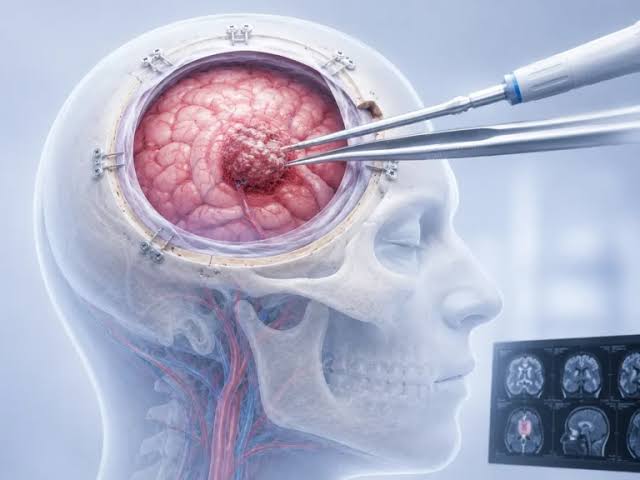
An operation may be recommended when a condition requires surgical treatment, such as addressing a particular growth, relieving pressure, or managing abnormal fluid accumulation. The procedure depends on the diagnosis and the location of the problem.
Before making a decision, patients should understand the purpose of surgery, possible complications, expected benefits, available alternatives, and recovery requirements. A neurosurgical consultation does not automatically mean that an operation will be necessary.
1.Continued Care After Treatment
Follow-up allows the treating team to assess recovery and review any ongoing symptoms. Depending on the condition and procedure, patients may need repeat investigations, medication, rehabilitation, or additional specialist support.
Why Choose Dr. Ritesh Nawkhare - Brain Surgeon in Satna ?
Dr. Ritesh Nawkhare has qualifications in general surgery and neurosurgery, including MBBS, MS (General Surgery), and MCh (Neurosurgery). His clinical interests include cranial oncology and craniovertebral junction conditions.
▪ Clinical Assessment: Reviews symptoms and medical history before discussing treatment options.
▪ Investigation-Based Planning: Considers diagnostic reports alongside examination findings.
▪ Condition-Specific Recommendations: Explains suitable management options based on the patient’s diagnosis.
▪ Informed Decision-Making: Discusses the purpose, potential benefits, and risks of proposed treatments.
▪ Follow-Up Guidance: Helps patients understand the importance of review and recovery planning.
The focus is on evaluating the problem carefully and discussing appropriate next steps based on the patient’s clinical needs.
Preparing for Your Neurosurgical Consultation
Patients can make their appointment more productive by bringing relevant medical information and preparing a brief history of their symptoms.
▪ Carry previous MRI or CT scan images and reports.
▪ Bring current prescriptions and details of ongoing medication.
▪ Note when symptoms began and whether they have changed.
▪ Share information about previous procedures or treatments.
▪ Mention any new symptoms or difficulties affecting daily activities.
These details help provide a clearer picture of the patient’s medical history and support a more informed discussion.
Frequently Asked Questions - Brain Surgeon in Satna
Book A Consultation With Brain Surgeon in Satna
If you have been diagnosed with a brain condition, received an abnormal scan result, or developed persistent neurological symptoms, a specialist assessment can help clarify your next steps.
Dr. Ritesh Nawkhare evaluates neurosurgical concerns by considering the patient’s medical history, clinical findings, and relevant investigations. Depending on the diagnosis, he can discuss appropriate management options and whether further treatment may be necessary.
Arrange a consultation to discuss your concerns, review your medical reports, and understand the available options for your condition. Early assessment of concerning symptoms can help identify problems that need timely medical attention and guide appropriate care.