
TLIF Surgery in Satna – Specialized Care for Lumbar Spine Stability By Dr.Ritesh Nawkhare
Back pain that keeps coming back can make everyday activities difficult, especially when it spreads to the legs or affects your ability to walk comfortably. These problems may develop due to a damaged disc, spinal instability, or pressure on the nerves. Finding the actual cause helps the doctor choose the right treatment. Dr. Ritesh Nawkhare at Neurosys Multispeciality Centre in Nagpur evaluates patients with different spine and nerve problems. If you are looking for TLIF Surgery in Satna, a consultation can help you understand your condition and available treatment options. He reviews your symptoms, medical history, physical examination findings, and relevant scans before recommending treatment. Depending on your condition, he may suggest medication, physiotherapy, or other non-surgical care. If the spine needs surgical stabilisation, he can discuss whether TLIF surgery is suitable and explain its possible benefits, risks, and recovery process.
Advanced Surgical Management of Lumbar Spine Conditions
TLIF surgery helps stabilise a specific area of the lower spine when a damaged disc or spinal instability causes ongoing symptoms. Dr. Ritesh Nawkhare may consider this procedure when the patient’s condition requires spinal fusion and other treatments may not provide enough relief.
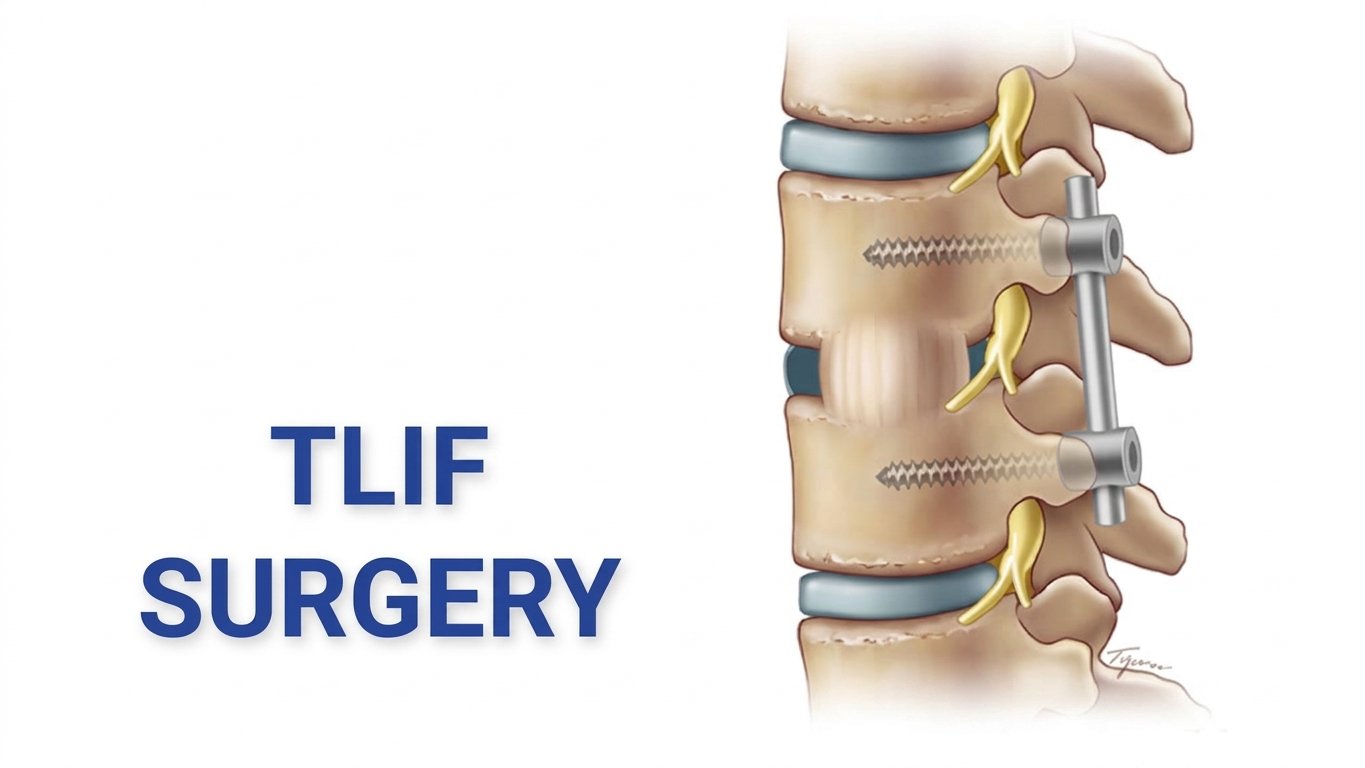
During the procedure, the surgeon reaches the affected part of the spine through the back. The damaged disc may be removed, and a bone graft or implant is placed in the disc space. Screws and rods help hold the vertebrae in position while the bones gradually fuse together.
However, TLIF surgery is not necessary for every patient with back pain. The surgeon carefully reviews the symptoms, physical examination, and relevant scans to identify the cause. The decision to proceed with surgery depends on the patient’s condition, spinal stability, and whether fusion is likely to offer meaningful benefits compared with other treatment options.
Lumbar Conditions That May Benefit From TLIF
1. Degenerative Disc Disease
Age-related changes can weaken the lower spinal discs and cause back pain or instability. Dr. Ritesh Nawkhare may recommend TLIF when the affected spinal segment needs stabilisation.
2. Vertebral Slippage and Spinal Instability
When one vertebra slips over another, it can cause back pain and nerve irritation. TLIF may help stabilise the spine when significant instability requires surgery.
3. Lumbar Nerve Compression
Damaged discs or bony changes can press on spinal nerves, causing leg pain, tingling, or numbness. Dr. Ritesh Nawkhare may consider TLIF when a patient needs nerve decompression and spinal stabilization.
Warning Signs That Need a Spine Assessment
Lumbar spine problems can cause symptoms that affect movement and daily activities. Consult a specialist if you experience:
▪ Persistent lower back pain or restricted movement.
▪ Pain spreading from the back to the buttock or leg.
▪ Tingling, numbness, or burning sensations in the legs.
▪ Leg weakness or difficulty walking.
▪ Discomfort while standing for long periods.
▪ Ongoing symptoms despite treatment.
Seek emergency medical care if you develop new bladder or bowel problems, numbness around the groin, or rapidly worsening leg weakness.
Diagnostic Evaluation Before TLIF Surgery
An appropriate treatment plan starts with finding the cause of the symptoms. Dr. Ritesh Nawkhare considers the patient’s condition, examination findings, and scans before recommending surgery.
1. Symptoms and Medical History
The specialist reviews the pain, mobility changes, previous treatments, and medical history to understand how the condition affects daily life.
2. Physical and Neurological Examination
The doctor checks muscle strength, sensation, reflexes, walking ability, and spinal movement to identify possible nerve problems.
3. Imaging and Spine Assessment
MRI, CT scans, or X-rays help assess disc damage, nerve compression, spinal alignment, and instability. The specialist recommends suitable tests based on the symptoms.
4. Personalised Treatment Plan
After reviewing the findings, the specialist may recommend medication, physiotherapy, activity changes, or monitoring. TLIF surgery may be considered when the diagnosis confirms that spinal fusion is appropriate.
Important Stages of TLIF Surgery
The surgeon plans TLIF surgery according to the patient’s spinal condition and anatomy. The procedure may involve:
▪ Accessing the spine: Reaching the affected lumbar segment through a planned surgical approach.
▪ Relieving nerve pressure: Creating more space for compressed nerves when needed.
▪ Preparing the disc space: Removing the damaged disc as required.
▪ Placing a bone graft or implant: Supporting fusion between the affected vertebrae.
▪ Stabilising the spine: Using screws and rods to hold the segment in place while the bones fuse.
The surgical technique depends on the diagnosis, spinal stability, and the patient’s individual needs.
Potential Benefits of TLIF
TLIF surgery may offer several benefits for patients who need spinal fusion.
▪ Stabilises the affected spinal segment. ▪ Relieves nerve pressure when decompression is needed. ▪ Helps the vertebrae fuse over time.
▪ May improve mobility and daily activities.
▪ Addresses selected cases of spinal instability and nerve compression.
Results depend on the patient’s condition, overall health, and recovery. Surgery cannot guarantee complete pain relief, and some symptoms may persist.
Exploring Treatment Before Surgery
Not every lumbar spine problem needs surgery. Depending on the diagnosis, Dr. Ritesh Nawkhare may recommend:
▪ Medicines to manage pain when appropriate.
▪ Physiotherapy to improve strength and flexibility.
▪ Activity changes to reduce spinal strain.
▪ Guided rehabilitation to support recovery.
▪ Regular follow-ups to monitor symptoms and progress.
If symptoms persist or spinal instability requires correction, the specialist may discuss surgery. The decision depends on the patient’s condition, expected benefits, and potential risks.
Recovery and Rehabilitation Following TLIF
Recovery involves initial healing, gradual improvement in mobility, and the longer process of bone fusion. The pace varies with the complexity of surgery, general health, and individual healing.
1.Early Postoperative Care
The treating team provides instructions on safe movement, wound care, walking, and activity restrictions. Patients should follow these recommendations closely.
2.Gradual Return to Activities
Daily activities are increased according to recovery progress. Heavy lifting, strenuous exercise, and certain bending or twisting movements may need to be avoided until the surgeon gives clearance.
Rehabilitation and Follow-Up
Physiotherapy may be introduced when appropriate to improve strength, balance, and mobility. Follow-up visits help assess symptoms and monitor healing and fusion progress.
Returning to work and normal activities depends on individual circumstances. A personalised recovery plan is more appropriate than a fixed timeline.
1.Risks and Considerations Before Surgery
TLIF is a major spinal procedure and carries potential risks, including infection, bleeding, blood clots, nerve injury, spinal fluid leakage, implant-related complications, persistent pain, or failure of the bones to fuse.
The likelihood of complications varies according to the patient’s health, spinal anatomy, and surgical complexity. Discussing these factors with the surgeon helps patients make an informed decision.
Advanced Evaluation for TLIF Surgery in Satna
Lumbar spine problems can affect movement, comfort, and everyday activities. When symptoms persist, a detailed assessment helps identify whether disc damage, nerve compression, or spinal instability requires further treatment. Dr. Ritesh Nawkhare evaluates these concerns at Neurosys Multispeciality Centre in Nagpur, helping patients understand their diagnosis and available treatment options.
Personalized Treatment Planning for Lumbar Spine Conditions
▪ Assessment of back pain, leg symptoms, and mobility limitations.
▪ Review of MRI, CT scans, and X-rays when clinically required.
▪ Discussion of medication, physiotherapy, and surgical options.
▪ Guidance on TLIF suitability, potential risks, and recovery expectations.
When Should You Consider a TLIF Consultation?
1.Recognising Symptoms That Need Specialist Attention
Persistent lower back pain, leg numbness, tingling, weakness, or difficulty walking may indicate an underlying spinal problem. A consultation can help determine the cause and whether further investigation or treatment is necessary.
2.Understanding Whether Spinal Fusion Is Appropriate
TLIF may be considered when a lumbar spinal segment requires stabilization due to specific structural problems. Surgery is not necessary for every disc condition. The recommendation depends on clinical findings, imaging results, symptom severity, and response to previous treatment.
Why Choose Dr. Ritesh Nawkhare?
Choosing a spine specialist involves understanding the diagnosis, evaluating treatment alternatives, and planning care around individual needs. Dr. Ritesh Nawkhare assesses spine and nerve conditions at Neurosys Multispeciality Centre in Nagpur.
▪ Detailed clinical assessment: Symptoms, neurological findings, medical history, and scans are reviewed together.
▪ Individualized recommendations: Treatment choices are guided by the condition and its effect on daily function.
▪ Clear treatment discussions: Patients can understand the purpose of TLIF, its limitations, possible complications, and alternatives.
▪ Careful surgical consideration: Fusion is discussed when the findings indicate a potential need for stabilisation.
Patients travelling from Satna can arrange a consultation in Nagpur to discuss their lumbar spine concerns and treatment options.
Frequently Asked Questions - Tlif Surgery in Satna
Book A Consultation With Tlif Surgery in Satna
Persistent lower back pain, discomfort spreading into the legs, numbness, or difficulty walking can affect your daily activities and quality of life. A timely spine evaluation helps identify the underlying cause and determine the most suitable treatment. If you are looking for TLIF Surgery in Satna, Dr. Ritesh Nawkhare at Neurosys Multispeciality Centre in Nagpur can assess your spinal condition and discuss appropriate treatment options.
▪ Detailed evaluation of symptoms, neurological function, and relevant imaging.
▪ Guidance on non-surgical treatments and surgical options.
▪ Clear information about TLIF surgery, potential benefits, risks, and recovery.
▪ Individualised treatment planning based on your diagnosis and medical needs.
Book a consultation with Dr. Ritesh Nawkhare to discuss your concerns, understand whether lumbar fusion is appropriate, and plan the next steps towards better spinal function and mobility.