
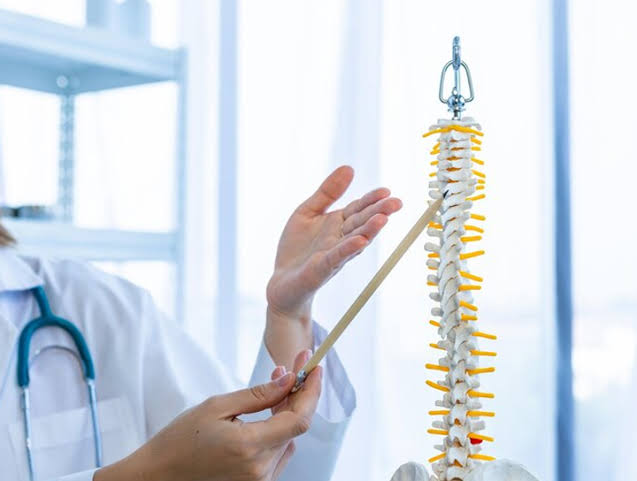
Spine Surgeon In Amravati For Back, Neck, Disc And Nerve Conditions by Dr.Ritesh Nawkhare
A Spine Surgeon In Amravati can help evaluate persistent back and neck problems that begin to interfere with your normal routine. Ongoing discomfort may make you avoid long journeys, reduce physical activity, change your sleeping position, or rely on pain medicines more often. Everyday movements such as bending, lifting, sitting, driving, walking, or standing for extended periods may gradually become uncomfortable. Some people also notice that they move more cautiously because they are worried about triggering another episode of pain. The location and behavior of your symptoms can provide important clues about the underlying problem. Back or neck discomfort may arise from muscles, joints, discs, vertebral changes, or other spinal structures. When a nerve becomes irritated or compressed, symptoms can extend away from the spine and affect the shoulder, arm, buttock, thigh, or leg. Numbness, tingling, burning sensations, reduced grip, weakness, or changes in walking may also occur when neurological structures are involved. These symptoms deserve proper assessment, particularly when they persist or gradually become more noticeable. Dr. Ritesh Nawkhare evaluates spine-related problems by looking beyond the location of pain.
When Spine Pain Starts Affecting Everyday Life ?
The effect of a spinal condition is not measured only by the intensity of pain. A person with moderate pain may struggle to sit through a workday, while another patient with similar pain may continue normal activities.
Important changes can include:
▪ Difficulty sitting or standing for long periods
▪ Reduced walking tolerance
▪ Trouble bending or turning the neck
▪ Pain during routine household or work activities
▪ Interrupted sleep
▪ Avoidance of physical activities
▪ Recurrent pain after temporary improvement
▪ Reduced confidence while walking or moving
These functional changes provide useful information during a spine consultation and can help guide further evaluation.
Reasons Can Cause Similar Pain - Spine Surgeon In Amravati
Back and neck symptoms can arise from several different conditions. Disc problems, nerve irritation, spinal narrowing, vertebral instability, degenerative changes, injuries, and other spinal disorders can cause similar complaints.
For this reason, Dr. Ritesh Nawkhare assesses the complete clinical picture instead of focusing only on the most noticeable symptom. He considers how long the pain has continued, where it travels, which movements affect it, whether numbness or weakness is present, any previous injuries, and how the patient responded to earlier treatment. He combines these details with the physical and neurological examination to develop a clearer understanding of the underlying spine problem.
Spine Problems That May Require Specialist Assessment
Depending on the patient’s presentation, evaluation may cover:
▪ Cervical and lumbar disc disorders
▪ Slipped or herniated discs
▪ Sciatica and radiating leg pain
▪ Nerve compression in the neck or lower back
▪ Spinal canal narrowing
▪ Vertebral slippage
▪ Segmental instability
▪ Degenerative spinal conditions
▪ Spinal cord compression
▪ Selected traumatic spinal problems
▪ Persistent symptoms following previous spine treatment
The presence of a particular condition does not automatically determine whether treatment should be conservative or surgical.
Understanding Nerve-Related Symptoms
Nerve compression can cause burning pain, tingling, numbness, electric-like sensations, or weakness in the arm or leg. The location and pattern of these symptoms can indicate which nerve or spinal region may be affected.
Dr. Ritesh Nawkhare assesses strength, sensation, reflexes, coordination, and gait during a neurological examination. He combines these findings with relevant MRI, CT, or X-ray results to understand the condition and determine whether the patient needs further evaluation, conservative care, or specialist treatment.
Choosing The Right Investigation By Spine Surgeon In Amravati
Not every patient needs every type of scan. The investigation depends on the suspected condition and the information required for treatment planning.
X-rays can help assess vertebral alignment and certain structural changes. CT can provide detailed information about bone. MRI can show discs, nerves, the spinal cord, and other soft tissues in greater detail.
The important step is interpreting the investigation in context. A scan can show several abnormalities, but not every abnormality is responsible for the patient’s symptoms.
Treatment Depends On The Clinical Picture
Treatment is selected according to the condition, symptom severity, neurological status, functional limitations, and response to previous care.
For suitable patients, management may involve:
▪ Medication
▪ Physiotherapy
▪ Rehabilitation
▪ Exercise-based recovery
▪ Modification of aggravating activities
▪ Follow-up observation
▪ Additional investigations
The aim is to choose the least invasive option that is appropriate for the patient’s condition while continuing to monitor clinical progress.
When A Surgical Opinion Becomes Important ?
A surgical discussion may become appropriate when symptoms remain significant despite suitable conservative treatment or when the examination and investigations identify a problem that may benefit from an operation.
This can occur with significant nerve compression, progressive neurological deficit, spinal cord pressure, instability, certain traumatic conditions, or other structural problems.
The decision is not based on the size of a disc bulge or the wording of an MRI report alone. Dr. Ritesh Nawkhare considers whether the structural finding actually corresponds with the patient’s symptoms and examination.
Surgical Treatment For Selected Conditions By Spine Surgeon In Amravati
When surgery is appropriate, the procedure is selected according to the problem being treated.
1.Disc Surgery
A portion of a damaged or herniated disc may be removed when it is responsible for clinically significant nerve compression.
2.Neural Decompression
Surgery may create additional room around a compressed nerve or the spinal cord when pressure is contributing to neurological symptoms.
3.Stabilisation Procedures
An unstable spinal segment may require surgical stabilisation when abnormal movement is contributing to symptoms or structural problems.
4.Fusion Procedures
Fusion can be used in selected cases where maintaining stability of the treated spinal segment is an important part of the surgical objective.
5.Lumbar Interbody Fusion
Procedures such as TLIF may be considered for selected lumbar conditions where decompression and stabilisation are both required.
The appropriate operation depends on the diagnosis, anatomy, spinal level, neurological findings, and treatment objectives.
Recovery Should Be Planned From The Beginning
Spine treatment is not complete when the procedure ends. Recovery requires appropriate progression of movement and activity.
Depending on the treatment, rehabilitation may focus on:
▪ Restoring mobility
▪ Improving muscle strength
▪ Building physical tolerance gradually
▪ Returning safely to routine activities
▪ Improving posture and movement patterns
▪ Following activity restrictions during healing
Recovery differs between patients. The underlying condition, duration of symptoms, type of treatment, general health, and neurological involvement can all influence progress.
A Practical Approach To Spine Care By Spine Surgeon In Amravati
Good spine care involves knowing when to treat, when to observe, and when to investigate further. Not every persistent pain requires surgery, and not every structural abnormality can be ignored.
Dr. Ritesh Nawkhare evaluates the available clinical information before recommending a treatment pathway. This allows patients to understand what is known about their condition, what remains uncertain, and what options may be appropriate.
Why Consult Dr. Ritesh Nawkhare - Spine Surgeon In Amravati ?
Dr. Ritesh Nawkhare is qualified with MBBS, MS (General Surgery), and MCh (Neurosurgery). His spine consultations focus on connecting the patient’s symptoms with neurological and structural findings.
The consultation can help patients understand:
▪ What may be causing their symptoms
▪ Whether a nerve or spinal cord is involved
▪ What their imaging findings actually mean
▪ Whether conservative treatment remains reasonable
▪ When further investigation may be useful
▪ Whether surgery has a clear indication
▪ What recovery may involve
This patient-specific assessment helps avoid unnecessary treatment while ensuring that important neurological or structural problems receive appropriate attention.
From Symptoms To A Clinical Diagnosis By Spine Surgeon In Amravati
A spine consultation is not limited to reviewing an MRI. The doctor first establishes a clinical picture from the patient’s history and examination.
The assessment may explore:
▪ When the symptoms first appeared
▪ Whether they are constant or intermittent
▪ Activities that increase or reduce discomfort
▪ Whether symptoms travel away from the spine
▪ Changes in sensation or muscle power
▪ Previous injuries or medical conditions
▪ Treatment already attempted
▪ Changes in walking or physical capability
This information helps establish whether further investigation is necessary and which findings are most relevant.
Frequently Asked Questions - Spine Surgeon In Amravati
Book A Consultation With Spine Surgeon in Amravati
If spinal symptoms are beginning to limit your movement, work, sleep, or normal activities, understanding the reason behind them is an important first step. Radiating pain, numbness, weakness, or changes in walking may also indicate that a nerve or spinal cord needs closer evaluation.
Dr. Ritesh Nawkhare assesses the patient’s symptoms, neurological status, medical history, and relevant investigations to determine an appropriate treatment pathway. Depending on the condition, this may involve conservative management, rehabilitation, further evaluation, or surgery when there is a suitable indication.
Book a consultation with a Spine Surgeon In Amravati to discuss your symptoms and understand the treatment options available for your individual condition.