
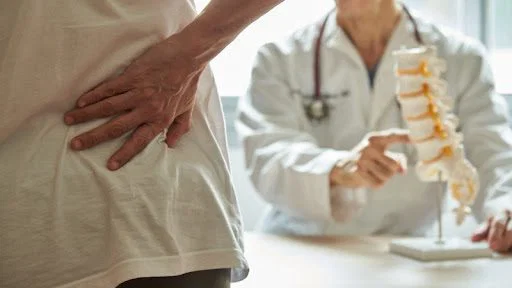
Spine Specialist In Korba For Detailed Diagnosis And Personalized Spine Treatment with Dr.Ritesh Nawkhare
Back and neck problems can affect more than physical comfort. Ongoing pain may make it difficult to sit, stand, walk, work, exercise, or sleep. Some spinal conditions can also cause pain that travels into the arm or leg. Numbness, tingling, weakness, or difficulty walking may occur when a nerve or the spinal cord is affected. If you are looking for a Spine Specialist In Korba, Dr. Ritesh Nawkhare provides detailed evaluation of spine-related problems. He considers your symptoms, medical history, previous treatment, neurological examination, and relevant imaging before discussing treatment. This helps identify the possible cause of your symptoms and determine the appropriate next step. Dr. Ritesh Nawkhare is qualified with MBBS, MS (General Surgery), and MCh (Neurosurgery). His approach focuses on understanding the condition rather than treating an imaging finding alone. Depending on the diagnosis, treatment may involve medicines, physiotherapy, rehabilitation, activity modification, monitoring, or surgery when clinically appropriate.
Spine Problems That May Need Specialist Attention
The spine includes vertebrae, discs, joints, nerves, and the spinal cord. Problems in these structures can cause pain, stiffness, numbness, weakness, or movement difficulties. A proper clinical assessment helps identify the underlying cause.
Common Conditions Of The Cervical Spine
The cervical spine supports the neck and head. Problems in this area may cause neck pain, stiffness, or symptoms extending into the shoulder or arm.
Common conditions include:
▪ Cervical disc problems
▪ Cervical spondylosis
▪ Cervical radiculopathy
▪ Nerve compression
▪ Cervical spinal stenosis
▪ Spinal cord compression
▪ Selected cervical spine injuries
Treatment depends on your symptoms and examination findings. Non-surgical care may be suitable in some cases, while selected conditions may require surgery.
Conditions Affecting The Lower Back
The lumbar spine carries much of the body’s weight and is involved in everyday movement. Problems in this area can cause lower back pain, stiffness, or pain extending into the buttock and leg.
A specialist may evaluate:
▪ Lumbar disc problems
▪ Herniated or prolapsed discs
▪ Sciatica
▪ Lumbar radiculopathy
▪ Lumbar spinal stenosis
▪ Degenerative spine conditions
▪ Spinal instability
▪ Selected lumbar spine injuries
A detailed assessment helps determine whether the symptoms are coming from a disc, nerve, joint, vertebra, or another structure.
Symptoms That Can Point To A Spine Problem
Spine conditions do not always cause pain alone. Nerve or spinal cord involvement can also affect sensation, strength, movement, and walking.
Common Symptoms
You may consider a spine evaluation if you have:
▪ Persistent neck or back pain
▪ Pain spreading into the arm, buttock, or leg
▪ Numbness or tingling
▪ Burning or shooting pain
▪ Weakness in an arm or leg
▪ Stiffness or reduced spinal movement
▪ Difficulty standing or walking
▪ Repeated episodes of severe pain
▪ Symptoms affecting work, sleep, or daily activities
The pattern of symptoms can provide important information. Dr. Ritesh Nawkhare considers where the pain begins, where it travels, how long it has been present, and whether neurological changes are also occurring.
How A Spine Specialist Evaluates Your Condition ?
A proper spine assessment involves more than reading an MRI report. Dr. Ritesh Nawkhare first discusses your symptoms and medical history. He may ask about previous injuries, earlier treatment, changes in pain, and activities that make your symptoms better or worse.
Neurological Assessment
The examination may include:
▪ Muscle strength
▪ Sensation
▪ Reflexes
▪ Coordination
▪ Walking pattern
▪ Movement and flexibility
These findings can help identify possible nerve or spinal cord involvement. They also provide useful information when deciding whether further investigation or treatment is needed.
Correlating Symptoms With Imaging By Spine Specialist In Korba
During the assessment, he may consider:
▪ Location and pattern of your back or neck pain
▪ Pain spreading into the arm, buttock, or leg
▪ Numbness, tingling, or burning sensations
▪ Muscle weakness or reduced strength
▪ Changes in movement or flexibility
▪ Difficulty standing, walking, or maintaining balance
▪ Duration and progression of your symptoms
▪ Response to medicines, physiotherapy, or previous treatment
This combined assessment helps determine whether the changes seen on the scan are relevant to your symptoms. It also helps identify whether you may benefit from medicines, physiotherapy, rehabilitation, activity modification, monitoring, further investigations, or surgery when clinically appropriate.
Investigations Used In Spine Care By Spine Specialist In Korba
The tests required depend on the symptoms and clinical findings. Not every patient needs every investigation.
1.MRI Of The Spine
MRI can provide detailed images of discs, nerves, the spinal cord, and surrounding soft tissues. It may help identify disc problems, nerve compression, spinal stenosis, or other structural changes.
2.CT Scan And X-Ray
CT scans can provide detailed information about bones and certain structural abnormalities. X-rays may help assess spinal alignment, vertebral changes, and selected movement-related problems.
Previous reports and images can also be useful. Comparing older and newer investigations may help understand changes over time.
Treatment Options Based On Your Diagnosis
There is no single treatment for every spine problem. The appropriate approach depends on the diagnosis, symptoms, neurological findings, imaging, and response to previous treatment.
Non-Surgical Spine Treatment
Many spine conditions can initially be managed without surgery when clinically suitable.
Treatment may include:
▪ Medicines
▪ Physiotherapy
▪ Guided exercises
▪ Rehabilitation
▪ Activity modification
▪ Posture and movement guidance
▪ Observation and follow-up
The response to treatment can also help assess how the condition is progressing.
When Spine Surgery May Be Discussed ?
Surgery may be considered when symptoms continue despite appropriate non-surgical treatment or when a structural problem requires intervention.
It may be discussed for selected cases involving:
▪ Significant nerve compression
▪ Spinal cord compression
▪ Certain disc problems
▪ Spinal stenosis
▪ Spinal instability
▪ Selected spinal injuries
▪ Structural conditions requiring stabilisation
The decision depends on the individual clinical situation. A spine consultation does not automatically mean that surgery is required.
Spine Surgery Options For Selected Conditions
Different spine conditions may require different procedures. Dr. Ritesh Nawkhare considers your symptoms, affected spinal level, neurological findings, stability, and imaging before discussing surgery.
1.Decompression
Relieves pressure on a compressed nerve or spinal cord in selected conditions.
2.Discectomy
Removes the affected portion of a disc when it is pressing on a nearby nerve.
3.Laminectomy
Removes part of the vertebral bone to create more space around compressed nerves or the spinal cord.
4.Spinal Fusion And TLIF
Fusion may be considered for selected unstable spine conditions. TLIF is a fusion procedure used for certain lumbar spine problems.
The recommended procedure depends on your diagnosis and individual spinal condition.
Benefits Of A Detailed Spine Evaluation
A structured evaluation can help provide a clearer understanding of your symptoms and guide appropriate treatment.
Benefits may include:
▪ Detailed assessment of back and neck symptoms
▪ Neurological evaluation of strength and sensation
▪ Correlation of symptoms with MRI, CT, or X-ray findings
▪ Identification of possible nerve or spinal cord involvement
▪ Guidance regarding non-surgical treatment
▪ Assessment of whether further tests are needed
▪ Surgical evaluation when clinically appropriate
▪ Individualised treatment planning
▪ Follow-up guidance during recovery.
Recovery And Long-Term Spine Care
Recovery differs from one patient to another. It depends on the underlying condition, treatment received, affected spinal level, and individual response. Patients receiving non-surgical treatment may gradually improve with appropriate medicines, physiotherapy, rehabilitation, and activity guidance.
After spine surgery, follow-up may focus on:
▪ Pain and symptom improvement
▪ Muscle strength
▪ Sensation
▪ Movement
▪ Walking ability
▪ Neurological function
▪ Wound or surgical-site recovery when applicable
▪ Return to daily activities
Following medical advice and attending scheduled follow-ups can help monitor recovery and address concerns at the appropriate time.
Why Choose Dr. Ritesh Nawkhare?
Dr. Ritesh Nawkhare follows a structured approach to spine evaluation. His assessment focuses on understanding the complete clinical picture rather than relying on an imaging report alone.
The consultation may include:
▪ Detailed symptom history
▪ Medical and treatment history
▪ Neurological examination
▪ Review of relevant MRI and CT scans
▪ Assessment of nerve and spinal cord function
▪ Evaluation of spinal stability when required
▪ Discussion of non-surgical treatment
▪ Surgical assessment for selected conditions
▪ Individualised treatment planning
The aim is to understand the cause of your symptoms and discuss treatment according to your clinical needs.
Frequently Asked Questions - Spine Specialist in Korba
Book A Consultation With Spine Specialist in Korba
Persistent back pain, neck pain, numbness, tingling, weakness, or difficulty walking should not be ignored when symptoms continue or affect your daily activities.
Dr. Ritesh Nawkhare evaluates spine-related symptoms using your medical history, physical and neurological examination, and relevant imaging reports. Depending on the findings, he may discuss medicines, physiotherapy, rehabilitation, activity modification, monitoring, further investigations, or surgery when clinically appropriate.
Bring your previous MRI or CT scans, X-rays, prescriptions, discharge summaries, and other relevant treatment records to your consultation.
A detailed assessment can help you understand your spine condition and the treatment options suitable for your situation.