
Musculoskeletal Ultrasound In Nagpur | Detailed Assessment Of Muscles, Joints And Soft Tissues At NNS Hospital Led By Dr.Ritesh Nawkhare
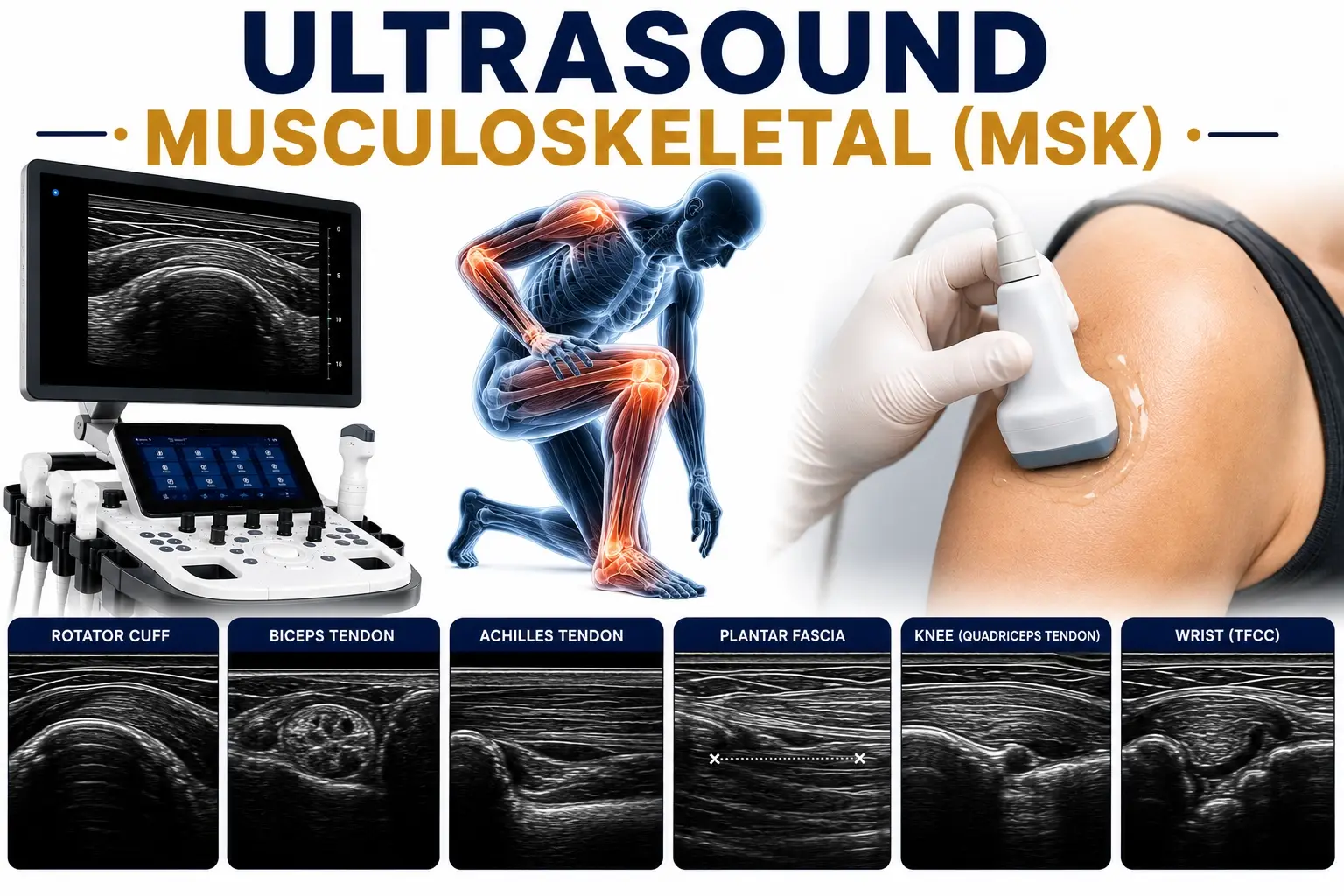
Musculoskeletal Ultrasound In Nagpur is a useful diagnostic imaging test for examining muscles, tendons, ligaments, joints and other accessible soft tissues. It uses high-frequency sound waves to create detailed, real-time images of the area being examined. Unlike X-rays, ultrasound does not use ionising radiation. It can also show certain tissues while they are moving, which allows the doctor to observe changes that may not be visible during a static examination. This makes ultrasound particularly useful for selected tendon injuries, muscle problems, swelling, fluid collections and other soft-tissue concerns. At NNS Hospital, musculoskeletal ultrasound is considered as part of a detailed clinical assessment rather than as an isolated test. Dr. Ritesh Nawkhare first considers the patient’s symptoms, medical history and examination findings before deciding whether ultrasound can provide useful information. The assessment focuses on the specific area causing concern and may include static or dynamic imaging when appropriate.
Looking Beyond The Pain
Pain around a joint does not always mean that the joint itself is the problem. Muscles, tendons, ligaments, and nearby soft tissues can also cause pain and restricted movement.
A musculoskeletal ultrasound gives doctors a way to examine these structures. It can show certain changes in soft tissue and may provide useful information about the area causing symptoms.
Your doctor may recommend the scan when the cause of pain is not clear from the initial examination. The result can then be considered with your symptoms, medical history, and other findings.
Problems That May Need An Ultrasound
Musculoskeletal symptoms can appear after an injury or develop slowly over time. The scan may be useful when your doctor needs to assess a particular soft tissue structure.
An ultrasound may be considered for:
• Ongoing muscle pain
• Tendon discomfort
• Joint swelling
• Pain after exercise or sports
• Suspected soft tissue injury
• Reduced joint movement
• Localised swelling or a lump
• Certain ligament problems
• Suspected tendon damage
• Symptoms that continue despite initial care
The scan is not suitable for every condition. Your doctor will decide whether it can answer the clinical question.
Which Structures Can Be Seen?
Ultrasound works well for many structures that are close to the skin. It can provide images of several soft tissues involved in movement.
These may include:
• Muscles
• Tendons
• Selected ligaments
• Joint surfaces and surrounding tissues
• Fluid-filled areas
• Superficial soft tissue structures
The visibility of a structure depends on its location and depth. Some problems may need MRI or another imaging method for a clearer assessment.
Shoulder Pain And Tendon Problems
Shoulder pain can affect sleep, work, exercise, and simple movements such as reaching or lifting an object.
A musculoskeletal ultrasound can examine several structures around the shoulder. It may be useful when the doctor suspects a tendon problem or another soft tissue change.
The scan can also provide real-time images of selected structures. This may help when the doctor needs to understand how a tendon or other tissue behaves during movement.
The ultrasound result is considered along with your shoulder strength, movement, symptoms, and clinical examination.
Knee And Lower Limb Assessment
Knee pain can follow an injury, repeated activity, or other causes. Swelling may also develop around the knee and make movement uncomfortable.
Ultrasound can assess selected tendons, muscles, ligaments, and soft tissues around the knee. It may also show certain fluid collections.
If your doctor suspects a deeper structural problem, an MRI may provide more information. The choice of imaging depends on your symptoms and examination.
Detailed Assessment Of Muscles, Joints And Soft Tissues
Pain around a joint does not always come from the bone. Muscles, tendons, ligaments, bursae and other soft tissues can also cause discomfort and restricted movement. Musculoskeletal ultrasound allows these structures to be assessed in real time. The scan can help examine areas such as the shoulder, elbow, wrist, hand, hip, knee and ankle. It may also be useful for assessing selected soft-tissue problems in other parts of the body.
Depending on the symptoms, the examination may look for:
▪ Tendon thickening or tears
▪ Muscle injuries and changes
▪ Fluid around a joint or tendon
▪ Bursitis
▪ Ligament-related abnormalities
▪ Soft-tissue swelling
▪ Certain cysts or masses
▪ Inflammation in accessible tissues
▪ Changes associated with overuse injuries
The findings are considered along with the patient’s symptoms and physical examination.
Real-Time Imaging For Soft Tissue Problems
One advantage of ultrasound is that it provides images while the examination is taking place. This can be helpful when a patient’s symptoms appear during movement.
For example, certain tendon problems may become easier to assess when the joint moves. The doctor can compare the appearance of tissues at rest and during selected movements when appropriate.
This dynamic assessment can add useful clinical information. However, ultrasound has limitations, and some conditions may require other investigations such as an X-ray, MRI or additional tests.
The choice depends on the suspected condition and the information needed for diagnosis.
Musculoskeletal Ultrasound For Tendon And Muscle Problems
Tendons connect muscles to bones and help the body produce movement. Repetitive activity, sports, sudden injuries and other factors can affect these tissues.
Musculoskeletal ultrasound may help assess tendon structure and identify certain changes. It can also examine muscles for selected injuries and soft-tissue abnormalities.
The scan may be considered for symptoms such as:
▪ Pain during movement
▪ Localised tenderness
▪ Swelling
▪ Reduced strength
▪ Suspected muscle strain
▪ Tendon-related discomfort
▪ Symptoms after physical activity
The ultrasound findings are interpreted in relation to the patient’s history and examination rather than being considered in isolation.
Shoulder Ultrasound In Nagpur
Shoulder pain can affect work, exercise, sleep and everyday movements. Several structures around the shoulder can contribute to symptoms. Musculoskeletal ultrasound may be used to assess selected shoulder structures, including the rotator cuff tendons and surrounding soft tissues.
Depending on the clinical situation, the scan may help assess:
▪ Tendon abnormalities
▪ Certain rotator cuff tears
▪ Bursitis
▪ Fluid collections
▪ Tendon inflammation or thickening
▪ Soft-tissue changes around the shoulder
A shoulder ultrasound may be especially useful when symptoms change with arm movement because the examination can include dynamic assessment.
Benefits Of Musculoskeletal Ultrasound In Nagpur
Musculoskeletal ultrasound offers several practical benefits when evaluating muscles, tendons, joints and other accessible soft tissues. It can provide real-time images and help doctors assess the affected area during movement when required.
▪ No exposure to ionising radiation
▪ Non-invasive and generally comfortable
▪ Real-time imaging of soft tissues
▪ Dynamic assessment during selected movements
▪ Helps assess muscles, tendons and ligaments
▪ Can identify certain tears, swelling and fluid collections
▪ Useful for evaluating sports and activity-related injuries
▪ Allows focused examination of a specific painful area
▪ Can be repeated when follow-up imaging is clinically needed
▪ May help guide further diagnostic or treatment decisions
Why Choose NNS Hospital For Musculoskeletal Ultrasound In Nagpur?
At NNS Hospital, imaging is considered as part of the overall clinical assessment rather than as an isolated test. Dr. Ritesh Nawkhare focuses on understanding the patient’s symptoms and the area involved before selecting the appropriate evaluation. When musculoskeletal ultrasound is suitable, the examination can provide focused information about accessible muscles, tendons, joints and soft tissues.
The approach aims to make the investigation relevant to the patient’s actual concern.
Patients may benefit from:
▪ Focused assessment of the affected area
▪ Real-time soft-tissue imaging
▪ Dynamic assessment when required
▪ Evaluation based on clinical symptoms
▪ Appropriate guidance on further investigation when needed
Dr. Ritesh Nawkhare At NNS Hospital
Dr. Ritesh Nawkhare is a neurosurgeon with MBBS, MS (General Surgery) and MCh (Neurosurgery) qualifications. His training covers the evaluation and surgical management of neurological and neurosurgical disorders.
At NNS Hospital, patients can receive clinical evaluation for a range of concerns, with investigations selected according to their symptoms and medical needs.
When musculoskeletal symptoms require imaging, the appropriate diagnostic approach depends on the suspected condition. A detailed clinical assessment helps determine whether ultrasound or another imaging modality is more suitable.
Frequently Asked Questions
Book a Consultation
Persistent muscle or joint pain can affect your daily activities and movement. A timely assessment can help identify the cause and determine the next step.
At NNS Hospital, Dr. Ritesh Nawkhare evaluates your symptoms and recommends appropriate investigations based on your individual needs. When suitable, musculoskeletal ultrasound can provide a focused assessment of muscles, tendons, joints and soft tissues.
Book your consultation at NNS Hospital in Nagpur for a detailed evaluation of your muscle, joint or soft-tissue concern.