
Advanced Sonography And Ultrasound Imaging In Nagpur with Dr.Ritesh Nawkhare
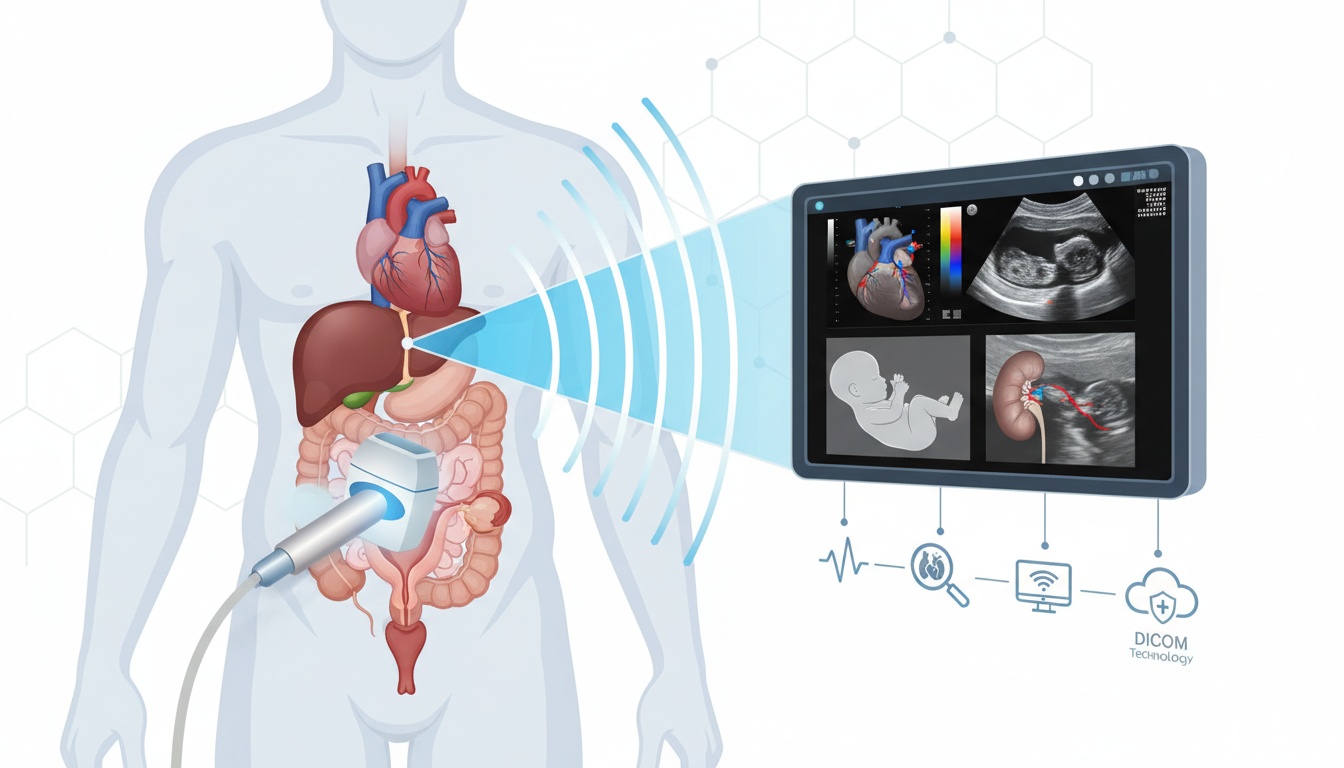
Advanced Sonography And Ultrasound Imaging In Nagpur provides real-time diagnostic imaging of selected organs, soft tissues, blood vessels, muscles, and pregnancy-related structures using high-frequency sound waves. Unlike imaging methods that use ionizing radiation, ultrasound uses sound waves to produce dynamic images that can be observed during the examination. It can help healthcare professionals investigate symptoms, evaluate structural changes, assess selected blood-flow patterns, monitor certain conditions, and support pregnancy-related assessments when clinically indicated. At Neurosys Multispeciality Centre In Nagpur, ultrasound-based assessment can form part of a comprehensive diagnostic evaluation. The appropriate examination is selected according to the patient’s symptoms, medical history, physical examination, previous reports, and the specific clinical information required. Depending on the area being assessed, different techniques such as conventional ultrasound, Doppler imaging, abdominal imaging, pelvic imaging, pregnancy ultrasound, or musculoskeletal ultrasound may be considered.
What Can Ultrasound Show?
The information obtained from ultrasound depends on the type of examination and the structure being assessed.
It may provide information about:
▪ Organ size and appearance
▪ Soft-tissue structures
▪ Fluid-filled areas
▪ Selected masses or swellings
▪ Muscle and tendon structures
▪ Blood-flow patterns
▪ Pregnancy-related structures
▪ Changes that require further evaluation
Ultrasound cannot provide complete information about every condition. If the findings or symptoms require additional assessment, your doctor may recommend another diagnostic test.
Ultrasound-Guided Procedures
In selected situations, ultrasound can help doctors locate a specific structure in real time while performing a procedure. This may assist with procedures such as needle placement, fluid drainage, or tissue sampling when clinically appropriate.
Image guidance can provide visual information during the procedure and help the treating team target the intended area.
Ultrasound Imaging And Other Diagnostic Tests
Ultrasound is one part of modern diagnostic imaging. Although it can provide valuable real-time information, it cannot assess every structure or condition. Depending on the clinical question, your doctor may recommend other investigations such as:
▪ MRI
▪ CT
▪ X-ray
▪ Blood tests
▪ Other specialized imaging
The choice of investigation depends on the symptoms, suspected condition, body area, medical history, and information required for diagnosis.
Ultrasound Imaging For Pregnancy
Ultrasound is frequently used during pregnancy when clinically indicated. Different examinations may be performed at different stages depending on the pregnancy and the information required.
A pregnancy ultrasound may assess:
▪ Fetal growth
▪ Fetal anatomy
▪ Fetal movements
▪ Amniotic fluid
▪ Placental location and appearance
▪ Selected blood-flow patterns
▪ Overall pregnancy development
When a closer assessment is required, specialized examinations such as fetal Doppler or detailed fetal imaging may be considered based on the clinical situation.
Preparing For Ultrasound Imaging
Preparation for an ultrasound depends on the body area being examined and the type of scan recommended by your healthcare provider. Following the instructions correctly can help obtain clear images and make the examination more useful for diagnosis.
▪ Some abdominal scans may require fasting for a specific period before the examination.
▪ Certain pelvic ultrasound examinations may require a comfortably full bladder.
▪ Transvaginal ultrasound usually has different preparation requirements from abdominal pelvic ultrasound.
▪ Wear loose and comfortable clothing that allows easy access to the area being examined.
▪ Take your regular medicines as advised unless your healthcare provider gives different instructions.
▪ Inform the healthcare team about pregnancy, recent procedures, or relevant medical conditions.
▪ Carry previous ultrasound reports, scans, or other relevant medical records when available.
▪ If you are undergoing follow-up imaging, previous reports can help the healthcare team compare findings over time.
▪ Arrive a little early if registration, preparation, or additional documentation is required.
▪ Follow any specific instructions provided for your particular ultrasound examination.
Preparation requirements can vary considerably between different ultrasound examinations.
Types Of Ultrasound Imaging
Ultrasound includes different examination techniques, and the appropriate type depends on your symptoms, medical history, and the area requiring assessment.
▪ Abdominal ultrasound evaluates the liver, gallbladder, kidneys, pancreas, spleen, and urinary bladder.
▪ Pelvic ultrasound examines structures within the pelvic region and may be performed through the abdomen or using a transvaginal approach when required.
▪ Pregnancy ultrasound helps assess fetal growth, anatomy, movements, amniotic fluid, placenta, and other pregnancy-related findings.
▪ Doppler ultrasound provides information about blood flow through selected blood vessels and helps assess circulation.
▪ Musculoskeletal ultrasound evaluates muscles, tendons, ligaments, joints, and other soft tissues, including selected structures during movement.
▪ Thyroid and superficial ultrasound provides detailed images of the thyroid and other superficial structures, helping doctors assess nodules, cysts, and structural changes.
Doppler Ultrasound And Blood Flow Assessment
Doppler ultrasound is a specialized form of ultrasound that evaluates blood flow through selected blood vessels. It can provide information about the direction and characteristics of blood flow. Depending on the clinical requirement, Doppler assessment may be considered for selected vascular concerns or pregnancy-related blood-flow evaluation.
The findings are interpreted in the context of the patient’s symptoms, medical history, and other examination results.
How To Prepare For Ultrasound Imaging ?
Preparation depends on the type of scan and the body area being examined. Following the instructions provided before your appointment can help the healthcare team obtain suitable images.
▪ Some abdominal examinations may require fasting for a specified period.
▪ Certain pelvic examinations may require a comfortably full bladder.
▪ Transvaginal ultrasound may have different preparation requirements.
▪ Wear comfortable clothing that allows easy access to the examination area.
▪ Take regular medicines as advised unless your healthcare provider gives different instructions.
▪ Inform the healthcare team about pregnancy, recent procedures, or relevant medical conditions.
▪ Carry previous ultrasound reports and relevant medical records when available.
▪ Previous imaging can help when current findings need to be compared with earlier examinations.
▪ Follow all specific preparation instructions provided for your examination.
Not every ultrasound requires the same preparation.
Is Ultrasound Imaging Safe?
Ultrasound uses high-frequency sound waves rather than ionizing radiation such as X-rays. It has been widely used for diagnostic imaging and pregnancy-related examinations when clinically indicated. As with any diagnostic test, ultrasound should be performed for an appropriate clinical reason. The results should be interpreted together with the patient’s symptoms, examination findings, and medical history. Your healthcare provider can explain why an ultrasound has been recommended and what information the examination is expected to provide.
Personalized Ultrasound Assessment
There is no single ultrasound examination suitable for every patient. The imaging approach should match the clinical concern and the information required by the treating doctor.
Clinical Factors Considered
▪ Symptoms and their duration
▪ Location of the concern
▪ Medical and treatment history
▪ Previous imaging findings
▪ Pregnancy status when relevant
▪ Specific diagnostic information required
At Neurosys Multispeciality Centre In Nagpur, ultrasound imaging can be considered as part of a broader diagnostic evaluation, with findings interpreted alongside clinical examination and other relevant investigations.
When Should You Consider Ultrasound Imaging?
Your doctor may recommend an ultrasound if you have symptoms that require further evaluation or if an existing condition needs monitoring. The examination may also be requested after a physical examination identifies an area that needs closer assessment. Persistent abdominal discomfort, swelling, urinary symptoms, localized soft-tissue concerns, pregnancy-related findings, or suspected vascular problems may require medical evaluation. Do not rely on imaging alone to determine the cause of symptoms. A healthcare professional can assess your condition and recommend the appropriate diagnostic pathway.
Why Choose Neurosys Multispeciality Centre In Nagpur?
Ultrasound findings can be most useful when they are considered alongside the patient’s symptoms and other clinical information. At Neurosys Multispeciality Centre In Nagpur, diagnostic imaging can form part of a coordinated assessment when patients require evaluation for neurological, musculoskeletal, pregnancy-related, or other medical concerns.
The approach focuses on obtaining clinically relevant information rather than performing unnecessary investigations.
▪ Patient-focused diagnostic assessment
▪ Appropriate ultrasound examination based on clinical needs
▪ Evaluation of soft tissues and selected vascular structures
▪ Pregnancy and fetal imaging when clinically indicated
▪ Doppler-based assessment when required
▪ Integration of imaging findings with medical evaluation
Frequently Asked Questions
Book a Consultation for Ultrasound imaging in Nagpur
If you have been advised to undergo an ultrasound examination, the appropriate scan depends on your symptoms, medical history, and the area that needs evaluation. At Neurosys Multispeciality Centre In Nagpur, patients can discuss their imaging requirements with the healthcare team and understand the appropriate examination based on their clinical needs. Before your appointment, keep relevant medical records, previous ultrasound or imaging reports, prescriptions, and referral information available. If your examination requires specific preparation, such as fasting or a comfortably full bladder, follow the instructions provided by your healthcare team.
A consultation can help clarify the purpose of the ultrasound, preparation requirements, and whether additional investigations may be needed after the findings are reviewed.