
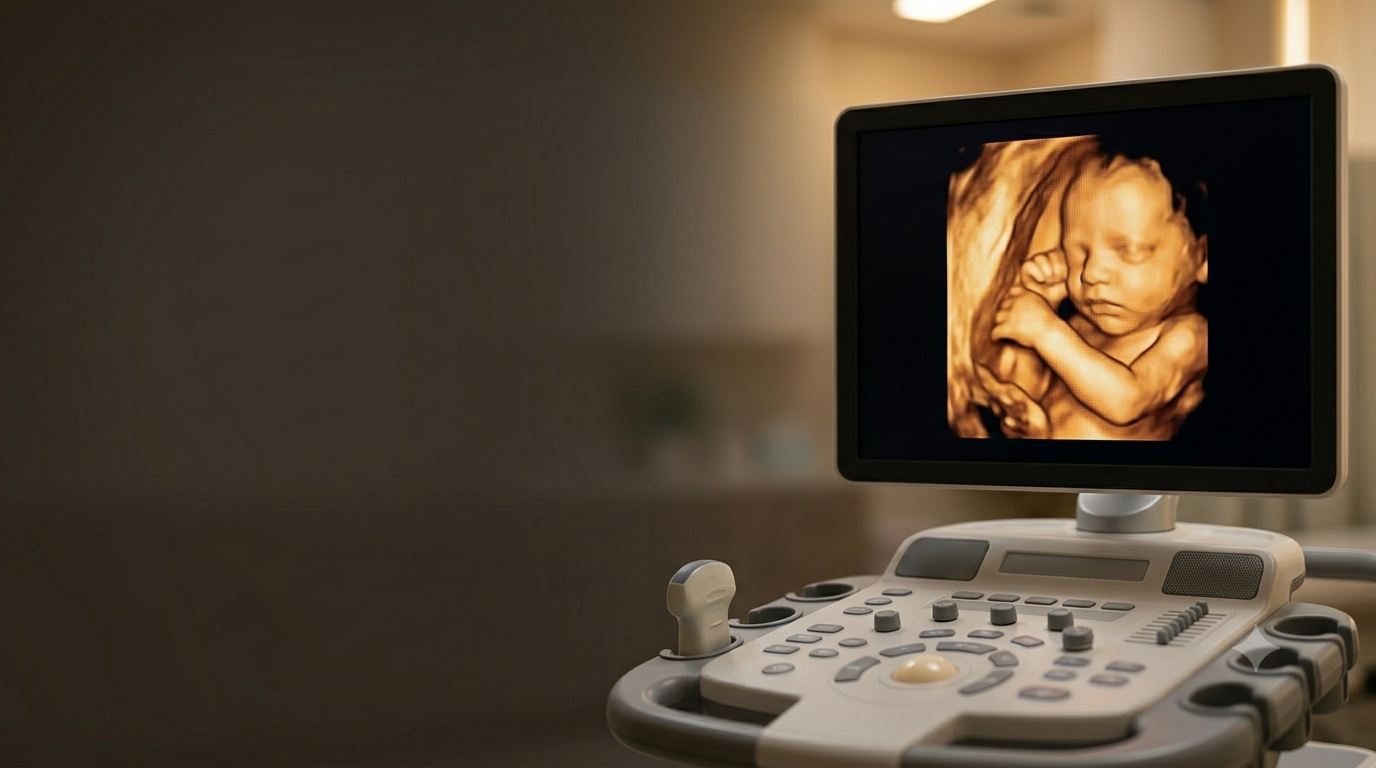
4D Scan In Nagpur For Advanced Fetal Imaging with Dr.Ritesh Nawkhare At NNS Hospital
4D Scan In Nagpur is an advanced ultrasound technique that creates real-time moving images of the developing baby. It adds a dynamic dimension to conventional ultrasound imaging and can provide clearer visualization of fetal movements, facial features, body position, and selected surface structures. The scan can offer parents and healthcare professionals a different view of the baby during pregnancy. However, 4D imaging does not replace routine or medically indicated diagnostic ultrasound. The appropriate examination depends on the stage of pregnancy, previous findings, and the reason for imaging. At Neurosys Multispeciality Centre In Nagpur, the healthcare team considers the complete pregnancy history before performing or recommending an ultrasound examination. Previous reports, gestational age, current concerns, and clinical indications can all help guide the assessment under the guidance of Dr. Ritesh Nawkhare.
Understanding 4D Fetal Imaging
Traditional 2D ultrasound produces sectional images of fetal structures. 3D ultrasound can create a three-dimensional image. 4D ultrasound adds movement to these images, allowing the healthcare professional to observe selected fetal features in real time.
Depending on the imaging conditions, a 4D scan may provide views of:
▪ Facial profile and surface features
▪ Fetal movements and body position
▪ Arms, legs, hands, and feet
▪ Selected external anatomical features
▪ Changes in fetal position during the examination
▪ Other structures when included in the clinical ultrasound assessment
The images available during a scan depend on fetal position, gestational age, amniotic fluid, and the available acoustic window.
How 4D Scan Adds To Pregnancy Imaging ?
4D imaging can complement conventional ultrasound by showing movement and surface features in a dynamic format. This can make certain fetal features easier to visualise when suitable imaging conditions are present.
The examination may help provide:
▪ Real-time views of fetal movement
▪ Dynamic facial and profile images
▪ Additional visualisation of selected surface structures
▪ Better understanding of fetal position
▪ Complementary information alongside standard ultrasound
The healthcare professional decides which views are clinically useful. A 4D scan should always be interpreted together with the appropriate medical ultrasound assessment.
Fetal Face And Facial Imaging
One of the commonly recognised uses of 4D ultrasound is the visualisation of the fetal face. When the baby’s face is positioned appropriately, the scan may capture moving images of the facial profile and surface features.
The examination may show:
▪ Facial profile
▪ Nose and lips
▪ Cheek and chin contours
▪ Facial movements
▪ Changes in facial position
Clear facial images are not possible in every scan. The baby’s position, hands near the face, placenta, and amount of amniotic fluid can affect visibility.
Observing Fetal Movement
4D ultrasound can display fetal movement as it occurs. Depending on the baby’s activity during the examination, parents may see movements of the arms, legs, body, or face.
The healthcare professional may observe:
▪ Limb movements
▪ Body movements
▪ Changes in fetal position
▪ Facial movements
▪ Other visible fetal activity
These images represent activity during the scan. They should not be used alone to determine fetal wellbeing.
4D Imaging And Fetal Anatomy
4D technology can provide additional three-dimensional views of selected fetal structures. The healthcare professional may combine these images with conventional 2D ultrasound views to obtain appropriate information.
The assessment may include selected views of:
▪ Head and facial structures
▪ Spine and body contours
▪ Limbs and extremities
▪ Abdominal surface
▪ Other structures based on the clinical purpose
When a detailed anatomical assessment is required, the healthcare team uses the appropriate diagnostic ultrasound technique rather than relying only on 4D images.
When May A 4D Scan Be Considered?
The need for 4D imaging varies from one pregnancy to another. Your healthcare provider may consider it when additional dynamic or three-dimensional views could add useful information.
The decision may depend on:
▪ Gestational age
▪ Previous ultrasound findings
▪ Fetal position
▪ Reason for the examination
▪ Pregnancy history
▪ Need for additional visual assessment
Your doctor can explain whether 4D imaging is suitable and what information it may provide in your particular situation.
4D Scan Alongside Other Pregnancy Scans
A 4D scan forms part of a broader approach to prenatal imaging. Standard ultrasound remains important for assessing fetal growth, anatomy, placenta, amniotic fluid, and other pregnancy-related findings when clinically indicated.
Depending on the pregnancy, your doctor may recommend:
▪ Routine obstetric ultrasound
▪ Anomaly or detailed fetal scan
▪ Fetal growth assessment
▪ Fetal Doppler
▪ Fetal echocardiography
▪ Other specialised imaging when required
The appropriate combination depends on your pregnancy and the findings identified during assessment.
Benefits Of 4D Scan In Nagpur
4D imaging can provide additional visual information during pregnancy when appropriate. Its moving images can make selected fetal features easier to observe.
Potential benefits include:
▪ Real-time visualisation of fetal movement
▪ Three-dimensional views of selected structures
▪ Dynamic facial imaging
▪ Additional information about fetal position
▪ Complementary imaging alongside conventional ultrasound
▪ Better visual understanding of selected fetal features
The value of the examination depends on the reason for the scan and the quality of the images obtained.
Recovery After 4D Scan In Nagpur
▪ Resume your regular daily activities
▪ Continue your usual pregnancy care and routine
▪ Eat and drink normally unless advised otherwise
▪ Keep your ultrasound images and reports safely
▪ Discuss the findings with your healthcare provider
▪ Follow any recommended prenatal monitoring
▪ Attend additional scans or consultations if advised
▪ Share previous reports during follow-up visits when required
The healthcare team may recommend further assessment if the scan shows a finding that needs closer evaluation. This could include another ultrasound, fetal growth assessment, Doppler study, or specialist consultation, depending on the clinical situation.
A 4D scan can provide useful visual information, but the images should be interpreted together with your pregnancy history and other relevant ultrasound findings. Your healthcare provider can explain the results clearly and guide you about the next steps.
Is 4D Scan Safe During Pregnancy?
4D ultrasound uses sound waves to create images and does not use ionising radiation such as X-rays. It is a non-invasive imaging technique commonly used as part of prenatal ultrasound services.
Your healthcare provider can explain the purpose of the examination and recommend the appropriate ultrasound approach based on your pregnancy needs.
The Role Of Gestational Age
The baby’s appearance and movements change throughout pregnancy. As the pregnancy progresses, different fetal features become easier to visualise on ultrasound. For this reason, the quality, clarity, and type of images obtained during a 4D scan can vary from one pregnancy stage to another.Your healthcare provider considers the gestational age when planning the examination. The timing may depend on the purpose of the scan, the fetal features that need assessment, and findings from previous ultrasounds. Fetal position also plays an important role. A baby facing away from the transducer may make facial or other surface views difficult to capture.
During the examination, the healthcare professional may adjust the scanning angle or allow time for the baby to change position. This can help obtain more suitable images when conditions allow.
Why Choose Neurosys Multispeciality Centre In Nagpur?
Neurosys Multispeciality Centre In Nagpur provides a multispeciality environment for pregnancy-related assessment and coordinated care. The healthcare team can review previous reports and current pregnancy concerns before recommending appropriate imaging.
The assessment may include:
▪ Prenatal ultrasound evaluation
▪ Fetal imaging
▪ Review of previous ultrasound findings
▪ Fetal growth and wellbeing assessment when indicated
▪ Doppler assessment when required
▪ Specialist coordination for additional concerns
Under the guidance of Dr. Ritesh Nawkhare, the team focuses on structured evaluation, clear communication, and appropriate follow-up based on individual pregnancy needs.
Frequently Asked Questions
Book a Consultation for 4d Scan in Nagpur
At Neurosys Multispeciality Centre In Nagpur, the fetal care team offers 3D/4D scans as part of its fetal imaging services.
What To Bring
▪ Previous ultrasound reports
▪ Pregnancy records and relevant test results
▪ Doctor’s referral, if available
▪ Details of any previous pregnancy concerns
Schedule Your 4D Scan
Book your 4D Scan In Nagpur at Neurosys Multispeciality Centre to discuss your pregnancy imaging needs and understand whether additional assessment may be appropriate.