
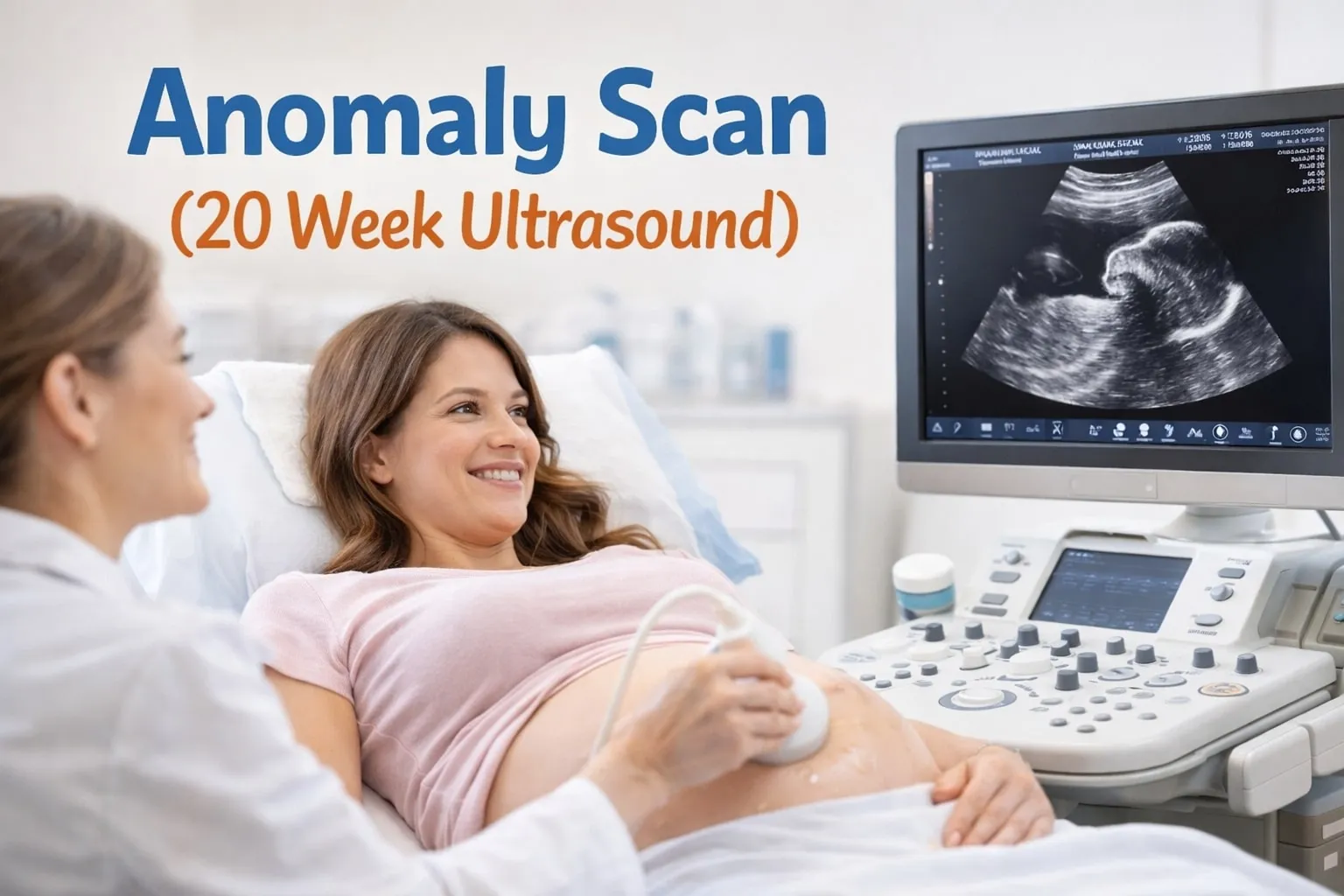
Anomaly Scan In Nagpur For Detailed Fetal Health Assessment with Dr.Ritesh Nawkhare
Anomaly Scan In Nagpur is a detailed pregnancy ultrasound that examines your baby’s developing organs, body structures, and overall growth. The examination gives your healthcare provider a closer view of important fetal structures during a key stage of pregnancy. It also helps assess the placenta and amniotic fluid. Your doctor uses these findings along with your pregnancy history and previous reports to understand fetal development and identify findings that may need closer evaluation. During the examination, the healthcare provider carefully reviews areas such as the baby’s brain, face, spine, heart, abdomen, kidneys, bladder, arms, and legs. The provider also checks fetal measurements and observes the placenta and surrounding fluid. Fetal position can affect the visibility of some structures. Therefore, the healthcare team may need additional time to obtain the required views. An anomaly scan provides valuable information, but it cannot detect every fetal condition. At NNS Hospital, Anomaly Scan In Nagpur can form part of a structured pregnancy assessment.
What Is An Anomaly Scan?
An anomaly scan is a detailed ultrasound examination performed during pregnancy. It uses sound waves to create images of the developing baby. The scan focuses on fetal anatomy and development. Your healthcare provider also checks the placenta, amniotic fluid, and other visible pregnancy structures.
The examination may help your doctor assess:
▪ Fetal anatomy and organ development
▪ Brain and skull structures
▪ Facial features
▪ Spine and vertebral alignment
▪ Heart structure and selected blood vessels
▪ Stomach and abdominal organs
▪ Kidneys and urinary bladder
▪ Arms, legs, hands, and feet
▪ Fetal growth
▪ Placental location and appearance
▪ Amniotic fluid levels
Why Is Anomaly Scan Recommended?
Your doctor may recommend an anomaly scan to examine the baby’s anatomy in greater detail during pregnancy.
The examination can provide important information about fetal development. It may also help your healthcare provider decide whether additional monitoring is appropriate.
An anomaly scan may be considered when:
▪ Routine pregnancy assessment requires detailed fetal imaging
▪ Your doctor wants to review fetal anatomy
▪ A previous scan showed an unusual finding
▪ Pregnancy history requires closer monitoring
▪ Fetal growth needs assessment
▪ A multiple pregnancy requires detailed evaluation
▪ Further imaging may help clarify a clinical concern
Your doctor will decide the need and timing based on your individual pregnancy.
When Is Anomaly Scan Performed?
The anomaly scan is commonly performed during the second trimester. The exact timing can vary based on pregnancy history, clinical findings, and local practice.
Your healthcare provider may consider factors such as:
▪ Gestational age
▪ Previous ultrasound findings
▪ Fetal position
▪ Maternal health
▪ Pregnancy risk factors
▪ Quality of the available ultrasound images
Your doctor will recommend the appropriate time for the examination.
What Does Anomaly Scan Check?
An anomaly scan provides a detailed review of the baby’s developing structures. The healthcare provider assesses each area based on fetal position and image quality. The scan may include:
▪ Brain and skull structures ▪ Facial profile, eyes, nose, and upper lip
▪ Spine and vertebral alignment
▪ Heart position, four-chamber view, rhythm, and selected vessels
▪ Stomach, abdominal wall, kidneys, and bladder
▪ Arms, legs, hands, feet, and long bones. If the scan shows a finding that needs closer evaluation, your doctor may recommend further imaging or specialist assessment.
Understanding Anomaly Scan During Pregnancy
An anomaly scan is a detailed ultrasound examination that focuses on the baby’s anatomy and development. It uses sound waves to create images of the fetus without using X-rays or ionising radiation. The healthcare provider systematically examines visible fetal structures and takes measurements that help assess growth. The scan also provides an opportunity to review the placenta and amniotic fluid.
What The Scan May Assess
▪ Brain and skull structures
▪ Facial profile and visible facial features
▪ Spine and vertebral structures
▪ Heart structure and selected major vessels
▪ Stomach and abdominal organs
▪ Kidneys and urinary bladder
▪ Arms, legs, hands, and feet
▪ Fetal growth measurements
▪ Placental location and appearance
▪ Amniotic fluid levels.
Why Your Doctor May Recommend Anomaly Scan
Your doctor may recommend an anomaly scan to obtain a detailed assessment of your baby’s developing anatomy. The examination can provide useful information when routine pregnancy care requires a closer look at fetal structures. Your doctor may also suggest the scan after an earlier ultrasound shows a finding that needs additional assessment. The recommendation depends on your gestational age, pregnancy history, medical factors, and previous imaging results.
An anomaly scan may be considered when:
▪ Detailed fetal anatomy needs assessment
▪ A previous ultrasound shows an unusual finding
▪ Fetal growth requires closer review
▪ Pregnancy history calls for additional monitoring
▪ A twin or multiple pregnancy needs detailed assessment
▪ Your doctor identifies a specific clinical concern
Your healthcare provider considers these factors together rather than relying on one finding. This helps the team choose the appropriate examination and plan follow-up according to your pregnancy needs.
Brain And Skull Evaluation
The healthcare provider examines the baby’s head and visible brain structures during the scan. The assessment focuses on the shape of the skull and the appearance of important brain structures that can be seen through ultrasound. The provider records relevant views according to the stage of pregnancy and the quality of the images obtained.
▪ Skull shape
▪ Brain structures
▪ Ventricular appearance
▪ Midline structures
▪ Posterior fossa.
Fetal Heart Assessment
The fetal heart receives careful attention during an anomaly scan because cardiac development forms an important part of fetal anatomical assessment. The healthcare provider reviews the heart position, selected views, rhythm, and major vessels that can be assessed during the examination. If the scan identifies a finding that requires closer assessment, your doctor may recommend specialised fetal cardiac imaging.
▪ Heart position
▪ Four-chamber view
▪ Heart rhythm
▪ Selected major vessels
▪ Outflow tract views when obtainable.
Placental Assessment During Anomaly Scan
The placenta supports the baby’s growth throughout pregnancy. During an anomaly scan, the healthcare provider reviews the placenta and records its location and visible appearance. The scan can help identify whether the placenta appears close to the cervix or whether another finding requires follow-up. Your doctor interprets placental findings along with the rest of the pregnancy assessment.
The assessment may include:
▪ Placental position
▪ Placental appearance
▪ Relationship with the cervix
▪ Findings that may require follow-up
If the placental location or appearance needs further assessment, your healthcare provider may recommend another ultrasound or additional monitoring at an appropriate stage of pregnancy.
Benefits Of Anomaly Scan In Nagpur
Anomaly Scan In Nagpur can provide detailed information about fetal development. It can also support structured pregnancy monitoring.
▪ Reviews major fetal body structures
▪ Examines important developing organs
▪ Assesses fetal growth measurements
▪ Checks the placenta
▪ Assesses amniotic fluid
▪ Helps identify findings that need further review
▪ Allows comparison with previous ultrasound findings
▪ Supports additional monitoring when required
▪ Uses ultrasound without ionising radiation
▪ Can support assessment of high-risk pregnancies
Anomaly scanning has important limitations. It cannot identify every fetal condition. Your healthcare provider considers the findings along with other pregnancy information.
Recovery After Anomaly Scan In Nagpur
Anomaly Scan In Nagpur is a non-invasive ultrasound examination. It does not involve an incision, injection, or anaesthesia. You can usually return to your normal routine immediately after the scan.
After The Scan
▪ Resume normal daily activities
▪ Eat and drink as usual
▪ Keep your ultrasound report safely
▪ Discuss the findings with your healthcare provider
▪ Follow any recommended follow-up plan
▪ Attend additional scans if advised
If the scan needs further assessment, your doctor may recommend a repeat ultrasound, Fetal Doppler, specialist consultation, or other tests.
Your healthcare provider will explain the next steps based on your scan findings and pregnancy needs.
Why Choose NNS Hospital For Anomaly Scan?
NNS Hospital provides a multispeciality setting for pregnancy imaging and clinical assessment. The healthcare team can review ultrasound findings with other relevant pregnancy information. Anomaly Scan In Nagpur may be integrated with:
▪ Obstetric ultrasound
▪ Fetal growth assessment
▪ Placental evaluation
▪ Amniotic fluid assessment
▪ Fetal Doppler when clinically indicated
▪ High-risk pregnancy monitoring
▪ Maternal health assessment
▪ Specialist consultation when required
Under the guidance of Dr. Ritesh Nawkhare, the team follows a structured approach to pregnancy assessment. Doctors consider each finding within the wider clinical picture.
The goal is to provide useful information about fetal development. The healthcare team can then plan appropriate monitoring based on your individual pregnancy needs.
Frequently Asked Questions
Book a Consultation for Anomaly Scan in Nagpur
If your doctor has recommended an Anomaly Scan In Nagpur, timely assessment can provide useful information about your baby’s development. At NNS Hospital, the healthcare team can review your pregnancy history and previous ultrasound reports before the examination.
During your consultation, the team can explain:
▪ Purpose of the anomaly scan
▪ Fetal structures examined
▪ Preparation required before the scan
▪ Expected examination process
▪ Follow-up options if needed
Bring your previous ultrasound reports and pregnancy records to your appointment. This can help the healthcare team compare current findings with earlier assessments and plan appropriate follow-up.