
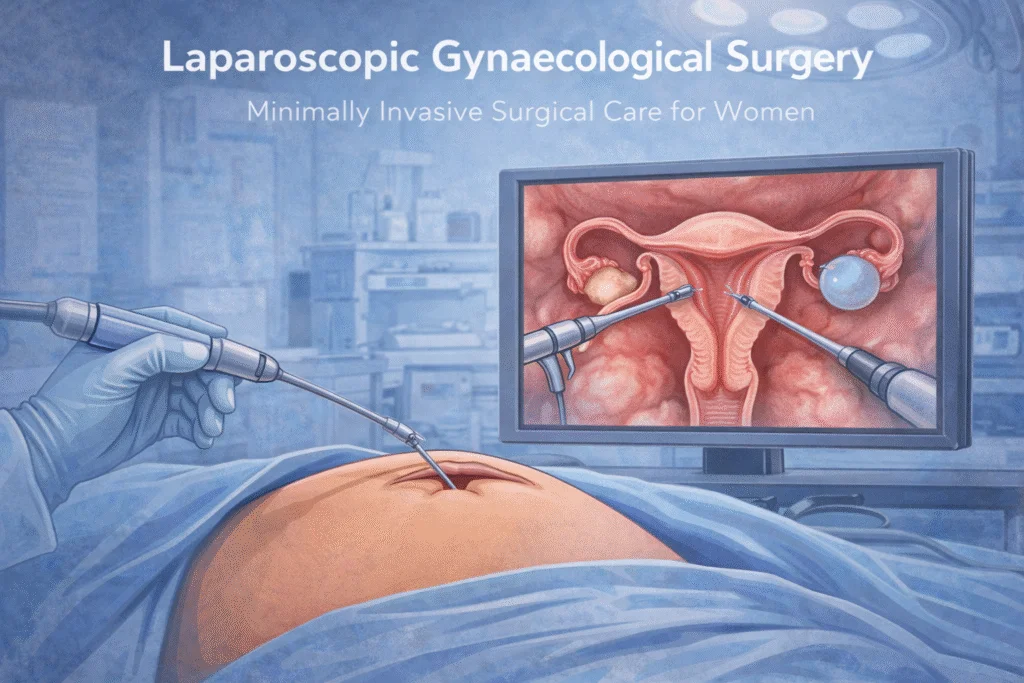
Gynecological Surgery In Nagpur For Precision-Based Women’s Surgical Care with Dr.Ritesh Nawkhare
Gynecological surgery involves procedures used to treat selected conditions affecting the uterus, ovaries, fallopian tubes, cervix, vagina, and surrounding pelvic structures. Gynecological surgery in Nagpur may be considered when a structural problem requires correction, symptoms remain troublesome, a condition needs tissue diagnosis, or surgical treatment offers a suitable option after other approaches have been considered. At Neurosys, surgical planning begins with a detailed understanding of the patient’s condition and treatment goals. Your healthcare professional may review symptoms, menstrual and reproductive history, previous pregnancies, medical conditions, medications, earlier procedures, imaging findings, and future fertility plans. This information helps determine whether surgery is appropriate and which approach may be suitable. The focus is not simply on performing a procedure. It is on identifying the underlying problem, considering available treatment choices, discussing potential risks and benefits, and planning care around the patient’s individual needs.
Conditions Managed With Gynecological Surgery
Different gynecological conditions may require different procedures. Treatment is planned according to the condition, symptoms, test results, and individual needs.
1.Uterine Fibroids
Fibroids may cause heavy bleeding, pelvic pain, pressure, or fertility concerns.
▪ Surgery may be considered based on their size, number, and location.
2.Endometriosis
Endometriosis can affect the ovaries and other pelvic tissues.
▪ Surgery may help treat visible lesions or adhesions in selected cases.
3.Ovarian Cysts And Masses
Many ovarian cysts do not require surgery and may resolve naturally.
▪ Persistent, painful, complex, or concerning findings may need surgical assessment.
4.Abnormal Uterine Bleeding
Certain fibroids and uterine polyps can contribute to abnormal bleeding.
▪ A suitable procedure may be considered after proper evaluation.
5.Pelvic Organ Prolapse
Weak pelvic support can cause the uterus, bladder, rectum, or vaginal walls to descend.
▪ Surgery may be considered when symptoms are significant or other treatments are not effective.
When Is Gynecological Surgery Considered?
Not every gynecological condition requires an operation. Some problems can be managed through observation, medicines, lifestyle measures, or other non-surgical approaches.
Surgery may be considered when:
▪ Symptoms persist despite appropriate medical management
▪ A structural abnormality requires correction
▪ A mass or cyst needs surgical evaluation
▪ Heavy or abnormal bleeding has an identifiable surgical cause
▪ Endometriosis causes significant symptoms or complications
▪ Fibroids affect health, comfort, or reproductive plans
▪ Pelvic organ prolapse requires reconstruction
▪ A suspicious lesion requires tissue diagnosis or treatment
The decision depends on the diagnosis, severity, previous treatment, overall health, and personal reproductive goals.
Hysteroscopic Procedures
Hysteroscopy allows direct examination of the inside of the uterus using a thin camera passed through the vagina and cervix. It can be used to diagnose and treat selected conditions within the uterine cavity.
Hysteroscopic treatment may be considered for:
▪ Endometrial polyps
▪ Selected submucosal fibroids
▪ Certain uterine cavity abnormalities
▪ Unexplained abnormal bleeding requiring further evaluation
Because the procedure uses the natural vaginal and cervical pathway, abdominal incisions are not required.
Hysterectomy
A hysterectomy is an operation to remove the uterus. It may be recommended for selected conditions when other treatment options are unsuitable, ineffective, or not appropriate.
Possible reasons may include:
▪ Symptomatic fibroids
▪ Severe or persistent abnormal bleeding
▪ Certain cases of endometriosis
▪ Pelvic support problems
▪ Selected gynecological cancers
▪ Other uterine conditions requiring definitive treatment
A hysterectomy ends the ability to become pregnant, so reproductive plans are an important part of preoperative counselling.
Fertility-Conscious Surgical Planning
For women who may want future pregnancies, fertility considerations are an important part of surgical decision-making.
Before surgery, your healthcare professional may discuss:
▪ Whether reproductive organs can be preserved
▪ The potential effect of the procedure on fertility
▪ Alternative treatment options
▪ Timing of future pregnancy
▪ Previous fertility concerns
▪ The extent of disease affecting reproductive organs
The appropriate procedure depends on the underlying condition and individual reproductive goals.
How Is Gynecological Surgery Planned?
A careful preoperative assessment helps determine whether surgery is required and how it should be performed.
Your evaluation may include:
▪ Detailed symptom history
▪ Menstrual and reproductive history
▪ Previous pregnancy and delivery history
▪ Previous surgeries
▪ Physical examination
▪ Pelvic ultrasound or other imaging
▪ Relevant blood investigations
▪ Medication review
▪ Assessment of future pregnancy plans
Your healthcare professional can then explain the proposed procedure, expected outcomes, possible complications, alternatives, and recovery process before surgery.
Choosing Between Surgical And Non-Surgical Treatment
A diagnosis does not always mean that surgery is the immediate next step. Depending on the condition, several management options may be available.
Treatment planning may consider:
▪ Severity of symptoms
▪ Impact on daily activities
▪ Size and location of the abnormality
▪ Response to previous treatment
▪ Age and overall health
▪ Future fertility plans
▪ Expected benefits and risks
This approach helps ensure that surgery is considered for an appropriate clinical reason rather than simply because an abnormality has been identified.
What Happens Before Gynecological Surgery?
Preoperative preparation depends on the planned procedure. Your healthcare professional may provide instructions regarding medicines, food and fluids, investigations, and admission requirements.
Before the operation, you may discuss:
▪ The purpose of surgery
▪ Surgical technique
▪ Anaesthesia
▪ Expected hospital stay
▪ Possible risks and complications
▪ Recovery expectations
▪ Fertility considerations
▪ Follow-up arrangements
Understanding these aspects can help you prepare for the procedure and recovery period.
Recovery After Gynecological Surgery
Recovery varies significantly depending on the procedure, surgical approach, extent of treatment, and individual health.
After surgery, you may receive guidance about:
▪ Incision or wound care
▪ Pain management
▪ Physical activity
▪ Diet and hydration
▪ Personal hygiene
▪ Return to work and routine activities
▪ Sexual activity when appropriate
▪ Follow-up appointments
Minimally invasive procedures may allow a shorter recovery for some patients, although individual recovery can vary.
Follow-Up After Surgery
Postoperative follow-up helps your healthcare professional assess healing and review the outcome of treatment. The follow-up schedule depends on the procedure and individual circumstances.
It may include:
▪ Assessment of recovery
▪ Review of symptoms
▪ Examination of surgical sites when required
▪ Discussion of pathology results
▪ Monitoring for postoperative concerns
▪ Further treatment planning when necessary
Follow-up also provides an opportunity to discuss persistent symptoms or concerns that arise during recovery.
When Should You Seek A Gynecological Surgical Consultation?
A surgical consultation may be appropriate when you have been diagnosed with a condition that could require an operation or when symptoms continue despite treatment.
You may consider consultation for:
▪ Persistent pelvic pain
▪ Heavy or abnormal menstrual bleeding
▪ Symptomatic fibroids
▪ Endometriosis
▪ Persistent ovarian cysts or masses
▪ Pelvic organ prolapse
▪ Uterine or cervical abnormalities
▪ A condition requiring further tissue assessment
A specialist consultation can help clarify whether surgery is necessary and what alternatives may be available.
Why Choose Neurosys For Gynecological Surgery In Nagpur?
At Neurosys, gynecological surgical care focuses on individual diagnosis, appropriate procedure selection, and clear communication. The treatment plan can be tailored according to the condition, symptoms, previous treatment, overall health, and reproductive goals.
The care approach may include:
▪ Detailed preoperative evaluation
▪ Individualised surgical planning
▪ Consideration of minimally invasive approaches
▪ Fertility-conscious decision-making when relevant
▪ Discussion of surgical and non-surgical options
▪ Clear explanation of recovery expectations
▪ Structured postoperative follow-up
The goal is to help patients understand their condition and make informed decisions about their surgical care.
Frequently Asked Questions
Book a Consultation for Gynecological Surgery in Nagpur
If you have persistent pelvic symptoms, fibroids, endometriosis, ovarian concerns, abnormal bleeding, prolapse, or another gynecological condition that may require surgery, a specialist consultation can help clarify the next step. At Neurosys, your healthcare professional can review your symptoms, previous investigations, treatment history, and reproductive goals before discussing appropriate management options.
▪ Discuss your condition privately
▪ Review previous reports and investigations
▪ Understand whether surgery may be appropriate
▪ Explore minimally invasive options when suitable
▪ Discuss fertility and pregnancy considerations
▪ Understand expected recovery
▪ Plan appropriate postoperative follow-up
Book a consultation for gynecological surgery in Nagpur at Neurosys to understand your condition and explore an appropriate, personalized treatment pathway.