
Contraception In Nagpur For Personalized Family Planning with Dr.Ritesh Nawkhare
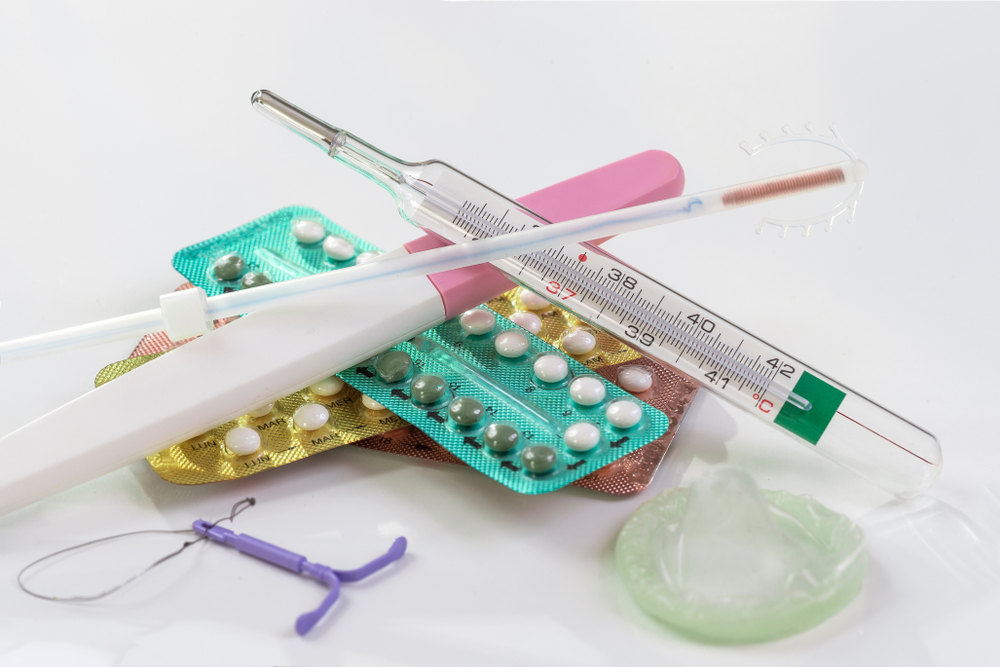
Contraception In Nagpur helps individuals and couples plan pregnancy according to their health, personal preferences, relationship needs, and future family goals. Contraception is not simply about preventing pregnancy. It also involves understanding different methods, their duration, effectiveness, possible side effects, reversibility, and suitability for your individual health. Modern contraception includes short-term, long-acting, reversible, emergency, and permanent options. These include condoms, oral contraceptive pills, intrauterine devices, implants, injectable methods, emergency contraception, and sterilization. The appropriate choice depends on individual health, preferences, reproductive plans, and the characteristics of each method. At Neurosys Multispeciality Centre In Nagpur, contraceptive counselling can be personalized according to your medical history, menstrual health, previous pregnancies, current medicines, and future pregnancy plans. The goal is to help you understand your options and make an informed decision about your reproductive health.
Understanding Your Contraceptive Options
Every contraceptive method works differently. Some require regular use, while others provide protection for months or several years. Some methods contain hormones, while others do not.
The main categories include:
▪ Barrier methods such as condoms
▪ Oral hormonal contraceptive pills
▪ Injectable contraception
▪ Hormonal implants
▪ Copper intrauterine devices
▪ Hormonal intrauterine devices
▪ Fertility-awareness methods
▪ Emergency contraception
▪ Permanent contraception
A consultation can help you understand how each option works and whether it fits your current reproductive goals.
Selecting Contraception According To Your Needs
There is no single contraceptive method that suits everyone. Your healthcare professional may consider your age, medical history, menstrual pattern, previous pregnancies, breastfeeding status, medications, future pregnancy plans, and personal preferences.
Important factors may include:
▪ How long you want pregnancy protection
▪ Whether you want a reversible method
▪ Whether you prefer a hormone-free option
▪ Whether you want a method requiring daily use
▪ Your menstrual preferences
▪ Previous experience with contraception
▪ Existing health conditions
▪ Possible medication interactions
▪ Need for protection against sexually transmitted infections
WHO recommends selecting contraceptive methods according to individual health, preferences, and needs, with healthcare-provider guidance when appropriate.
Short-Term And Reversible Contraception
Short-term methods may be suitable when you want flexibility and control over when to use contraception. These options include condoms, oral contraceptive pills, and some other user-controlled methods.
Their effectiveness can depend on correct and consistent use.
▪ Easy to start and stop
▪ Suitable for temporary pregnancy prevention
▪ Different options for different preferences
▪ Fertility can return after discontinuation, depending on the method
▪ Can be changed when reproductive needs change
Your healthcare professional can explain correct use and what to do if a dose is missed or a method fails.
Oral Contraceptive Pills
Oral contraceptive pills are taken regularly to prevent pregnancy. Different formulations contain different hormones and may be suitable for different individuals.
The combined pill contains estrogen and progestin, while progestin-only pills contain only progestin. Eligibility depends on individual health factors, so medical assessment can be important before starting a hormonal contraceptive.
Your consultation may cover:
▪ How the pill works
▪ Correct daily use
▪ What to do after a missed pill
▪ Possible side effects
▪ Medical conditions that may affect suitability
▪ Interaction with other medicines
▪ When fertility can return after stopping
Intrauterine Contraception
An intrauterine device is a small device placed inside the uterus by a trained healthcare professional. Two major types are available: copper IUDs and hormonal IUDs. Copper IUDs provide hormone-free contraception, while hormonal IUDs release a progestin hormone. Both are highly effective, long-acting, and reversible options.
An IUD may be considered when you want long-term pregnancy prevention without having to remember contraception every day.
Long-Acting Reversible Contraception
Long-acting reversible contraception provides extended pregnancy protection while preserving the option of future pregnancy. Depending on the method available and your individual suitability, long-acting options can include IUDs and contraceptive implants.
These methods may be useful when you want:
▪ Long-duration pregnancy protection
▪ Less dependence on daily contraception
▪ A reversible method
▪ Convenient ongoing protection
▪ Future pregnancy options
The duration varies according to the specific method and product. Your healthcare professional can explain the expected duration and follow-up requirements.
Condom-Based Contraception
Condoms are barrier methods that help prevent sperm from reaching the reproductive tract. They are used during sexual activity and need to be used correctly and consistently.
Condoms are particularly important because they are the only contraceptive method that also helps protect against sexually transmitted infections, including HIV.
▪ No hormones
▪ Used only when needed
▪ Helps prevent pregnancy
▪ Helps reduce the risk of many STIs
▪ Can be used with another contraceptive method.
Emergency Contraception
Emergency contraception is intended for situations such as unprotected sex or contraceptive failure. Options include emergency contraceptive pills and a copper IUD.
Emergency contraception is different from regular contraception. It is designed for occasional situations when pregnancy prevention was not achieved through the usual method.
WHO states that emergency contraceptive methods should be used within five days after unprotected intercourse, with earlier use generally preferable.
If emergency contraception is required, timely medical advice can help determine the appropriate option.
Contraception After Childbirth
Family planning can be discussed after delivery to help determine when and how you would like to plan another pregnancy. The appropriate contraceptive method can depend on breastfeeding, recovery after childbirth, medical history, and the desired interval between pregnancies.
A postpartum consultation can address:
▪ Pregnancy spacing
▪ Breastfeeding considerations
▪ Timing of contraceptive initiation
▪ Future pregnancy plans
▪ Previous pregnancy-related concerns
▪ Suitable reversible options
The method should be selected according to your individual circumstances.
Benefits Of Individualized Contraceptive Counselling
A contraception consultation gives you an opportunity to understand your choices rather than selecting a method based only on general information.
It can help you:
▪ Understand available contraceptive methods
▪ Compare short-term and long-term options
▪ Discuss hormonal and non-hormonal choices
▪ Consider future pregnancy plans
▪ Understand possible side effects
▪ Discuss emergency contraception
▪ Understand STI protection
▪ Review contraception after childbirth
▪ Change an existing method when required
▪ Make an informed reproductive health decision
Recovery And Follow-Up After Contraception
Recovery after contraception depends on the method used. Non-invasive options such as condoms and oral contraceptive pills generally do not require physical recovery. Methods such as an IUD, implant, injection, or permanent contraception may involve specific aftercare and follow-up. After starting or receiving a contraceptive method, your healthcare professional can explain what changes to expect and when you should seek advice.
▪ Follow the instructions provided after the procedure
▪ Allow your body time to adjust to a new hormonal method
▪ Take prescribed medicines only as advised
▪ Attend follow-up appointments when recommended
▪ Monitor for unusual pain, heavy bleeding, fever, or other concerning symptoms
▪ Discuss persistent or troublesome side effects with your healthcare professional
▪ Seek medical advice if you have concerns about the contraceptive method
Most people can return to their usual activities according to the type of contraception used and individual clinical advice. Your healthcare professional can provide method-specific guidance for a safe and comfortable transition.
Why Choose Neurosys Multispeciality Centre In Nagpur?
Contraceptive care should be confidential, respectful, medically appropriate, and centred on your individual reproductive goals.
At Neurosys Multispeciality Centre In Nagpur, the healthcare team can discuss contraception according to your health history, menstrual pattern, previous pregnancies, medications, lifestyle, and future family plans.
▪ Personalised contraceptive counselling
▪ Review of medical and reproductive history
▪ Discussion of hormonal and non-hormonal options
▪ Guidance regarding reversible contraception
▪ Discussion of long-acting methods
▪ Emergency contraception guidance
▪ Postpartum family planning support
▪ Consideration of future pregnancy goals
▪ Follow-up when required
Frequently Asked Questions
Book a Consultation for Contraception in Nagpur
At Neurosys Multispeciality Centre In Nagpur, the healthcare team can review your medical history, menstrual health, previous pregnancies, current medications, breastfeeding status, and future pregnancy plans. This information can help guide a discussion about suitable contraceptive options.
▪ Discuss your pregnancy-prevention goals
▪ Share your medical and reproductive history
▪ Mention current medicines and existing health conditions
▪ Discuss previous contraceptive experiences
▪ Understand hormonal and non-hormonal options
▪ Ask about short-term and long-acting methods
▪ Discuss emergency contraception when required
▪ Understand possible side effects and follow-up needs
▪ Consider your future pregnancy and family-planning plans
Contraceptive counselling should provide clear information while allowing you to make your own informed choice. If you are looking for Contraception In Nagpur, contact Neurosys Multispeciality Centre In Nagpur to schedule a consultation and discuss the options appropriate for your individual needs.