
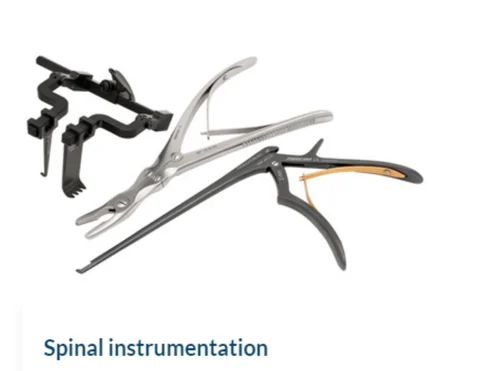
Restoring Stability When The Spine Needs Surgical Support with Dr.Ritesh Nawkhare
Spinal Instrumentation In Nagpur involves the placement of specialised implants to support the spine when a vertebral segment has become unstable, deformed, damaged, or structurally weak. Depending on the surgical requirement, the construct may include screws, rods, plates, cages, or other fixation systems. These devices help maintain the intended position of the vertebrae while the treated area heals. Instrumentation may be required after a severe spinal injury, advanced degeneration, vertebral displacement, deformity, tumour-related damage, infection, or complex revision surgery. It may also be necessary when removing pressure from the spinal cord or nerves would otherwise leave the spine mechanically unstable. At Neurosys Multispeciality Centre In Nagpur, Dr. Ritesh Nawkhare, Neurosurgeon, evaluates both the neurological and mechanical aspects of the condition. The decision to use implants is based on spinal alignment, stability, bone strength, affected levels, neurological involvement, and the goals of surgery.
Why Spinal Stability Matters ?
The spine protects the spinal cord while allowing the body to bend, rotate, stand, and move. When a spinal segment loses its normal structural integrity, abnormal movement can place additional stress on nerves, joints, discs, and surrounding tissues.
In selected patients, surgical stabilisation may help:
▪ Maintain vertebral alignment
▪ Control abnormal spinal movement
▪ Support correction of deformity
▪ Protect the treated segment during healing
▪ Restore structural integrity
▪ Provide a foundation for fusion when required
The purpose of instrumentation is therefore to solve a specific structural problem rather than simply to treat pain.
Situations Where Fixation May Be Required ?
The need for spinal implants depends on the underlying condition and the stability of the affected area.
Instrumentation may be considered for:
▪ Unstable spinal fractures
▪ Vertebral dislocation
▪ Significant spondylolisthesis
▪ Advanced spinal degeneration with instability
▪ Selected spinal deformities
▪ Vertebral destruction caused by tumours
▪ Certain spinal infections
▪ Complex revision procedures
▪ Reconstruction after extensive spinal surgery
Not every patient with these conditions requires fixation. A detailed assessment is necessary to determine whether the spine can remain stable without implants.
Selecting The Right Fixation Strategy
There is no single implant configuration that works for every spinal condition. The surgical plan is tailored to the patient’s anatomy, affected spinal levels, bone strength, and the amount of correction or stabilisation required.
The available options may include:
▪ Screw And Rod Constructs – Screws are placed into suitable parts of the vertebrae and connected with rods. This creates a stable framework that supports the affected spinal segments.
▪ Interbody Devices – Cages may be placed into the disc space after removing a damaged disc. They can help restore disc height, support spinal alignment, and provide space for bone fusion.
▪ Plate-Based Fixation – Certain cervical spine procedures may use plates and screws to support the treated segment and help maintain proper alignment during healing.
▪ Complex Reconstruction Systems – Extensive trauma, spinal deformity, multilevel disease, or revision surgery may require a combination of implants. The configuration is selected according to the structural needs of the spine and the goals of surgery.
What Happens During Spinal Instrumentation?
The exact surgical technique depends on the spinal condition and the levels being treated. After accessing the affected area, the surgeon may decompress nerves or the spinal cord when required. The selected implants are then positioned to stabilize the involved spinal segments. When fusion is part of the procedure, bone graft material may also be placed to encourage bone growth between the treated levels. The overall objective is to restore or maintain spinal stability while addressing the underlying neurological or structural problem.
Evaluation Before Surgery
A detailed assessment is important before spinal instrumentation. The doctor reviews your symptoms, neurological function, medical history, previous treatments, and physical limitations.
Imaging may include:
▪ X-rays to assess spinal alignment and movement
▪ CT scans to examine vertebral anatomy and bone detail
▪ MRI scans to evaluate discs, nerves, spinal cord, and surrounding tissues
▪ Additional investigations when clinically required
Bone quality is also important because weak bone can influence implant selection and fixation strength.
Conditions That May Require Spinal Stabilisation
▪ Spinal Trauma – Fractures or displacement may make the spine unstable and require fixation for support.
▪ Spinal Deformity – Scoliosis, kyphosis, and other deformities may require instrumentation to maintain correction and alignment.
▪ Vertebral Instability – Excessive movement between vertebrae can cause pain, deformity, or neurological symptoms and may require stabilisation.
▪ Degenerative Changes – Severe disc or joint degeneration may weaken spinal support and require fixation during surgery.
▪ Spinal Tumours – Tumours can weaken vertebrae and compromise spinal stability, making reconstruction or fixation necessary.
What Can Patients Expect During Follow-Up?
Follow-up appointments allow the doctor to monitor recovery and assess the treated spinal segments.
The doctor may review:
▪ Pain and neurological symptoms
▪ Movement and functional progress
▪ Wound healing
▪ Activity tolerance
▪ Signs of successful fusion when applicable
▪ Implant position when imaging is required
Any new or worsening neurological symptoms should be reported promptly.
Specialist Spine Care At Neurosys Multispeciality Centre In Nagpur
Spinal instrumentation requires detailed surgical planning because every patient’s spinal structure and treatment requirements are different. At Neurosys Multispeciality Centre In Nagpur, Dr. Ritesh Nawkhare evaluates complex spinal conditions using clinical examination, neurological assessment, and appropriate imaging. The treatment approach is selected according to the underlying diagnosis and the patient’s individual needs.
Depending on the condition, treatment may involve observation, medication, rehabilitation, decompression, stabilization, fusion, or other appropriate surgical options. The aim is to address the spinal problem while supporting neurological function and long-term stability.
Understanding The Possible Risks
Spinal instrumentation is a major surgical procedure, and potential risks vary according to the location and complexity of treatment.
Possible complications may include:
▪ Infection
▪ Bleeding
▪ Nerve or spinal cord injury
▪ Implant-related complications
▪ Failure of fusion
▪ Persistent pain
▪ Blood clots or other general surgical complications
A thorough preoperative assessment helps the surgical team identify individual risk factors and plan treatment appropriately.
Spinal Instrumentation And Fusion
Instrumentation and spinal fusion are different aspects of spinal surgery, although they are often performed together. Instrumentation provides mechanical stability using implants. Fusion aims to encourage permanent bone formation between selected spinal segments. The implants help maintain alignment and stability while the fusion process develops.
Whether fusion is necessary depends on the patient’s condition, the surgical procedure, and the amount of spinal support required.
Recovery And Rehabilitation
Recovery varies according to the complexity of the surgery and the patient’s overall health. Some patients may begin gentle movement soon after surgery, while more extensive procedures require a longer recovery period.
Recovery may involve:
▪ Gradual increase in physical activity
▪ Pain management
▪ Wound care
▪ Physiotherapy or rehabilitation
▪ Restrictions on heavy lifting
▪ Follow-up examinations
▪ Imaging when required
Following postoperative instructions can help protect the treated area and support functional recovery.
Why Choose Specialist Spinal Instrumentation Care?
Spinal instrumentation requires careful assessment, precise planning, and an approach suited to the patient’s individual spinal condition.
▪ Individualised Surgical Planning – The treatment plan is developed according to the affected spinal levels, alignment, bone quality, and neurological findings.
▪ Focus On Spinal Stability – The fixation strategy is selected to provide appropriate structural support while addressing the underlying problem.
▪ Comprehensive Evaluation – Clinical examination and appropriate imaging help the surgeon understand the condition before recommending surgery.
▪ Advanced Surgical Approach – Different fixation techniques and implant systems can be considered according to the complexity of the spinal problem.
▪ Patient-Centred Recovery – Postoperative care focuses on pain management, safe mobilization, rehabilitation, and gradual return to daily activities.
Frequently Asked Questions
It refers to the use of surgical implants such as screws, rods, plates, or cages to provide mechanical support and stability to selected areas of the spine.
Book a Consultation for Spinal instrumentation in Nagpur
If you have persistent back pain, spinal instability, a fracture, deformity, or another condition that may require surgical stabilization, a specialist evaluation can help determine the right treatment approach. At Neurosys Multispeciality Centre In Nagpur, Dr. Ritesh Nawkhare assesses your symptoms, neurological function, and imaging findings to develop an appropriate treatment plan based on your individual needs.
▪ Detailed spinal evaluation
▪ Personalised treatment planning
▪ Assessment of surgical and non-surgical options
▪ Guidance on recovery and rehabilitation
Book a consultation to understand your spinal condition and explore suitable treatment options.