
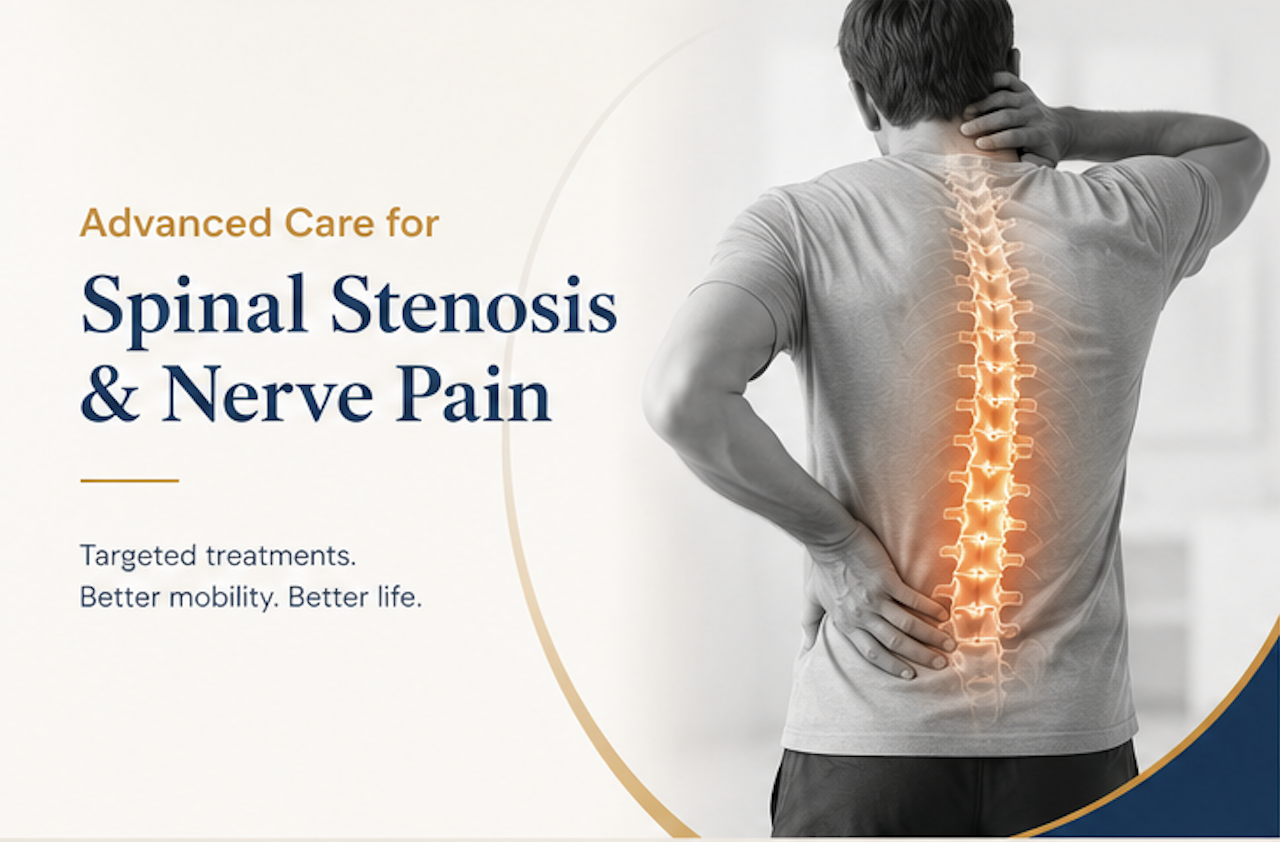
Spinal Stenosis In Nagpur | Specialist Evaluation And Personalized Spine Care With Dr.Ritesh Nawkhare
Spinal stenosis can gradually make everyday movement more difficult. You may experience back or neck pain, numbness, tingling, leg heaviness, weakness, or difficulty walking for longer periods. Some people also notice balance problems or changes in hand coordination. These symptoms may start mildly but can eventually affect work, exercise, travel, sleep, and other daily activities. The condition develops when the spaces around the spinal nerves or spinal cord become narrower. Age-related changes are common, but disc problems, arthritis, thickened ligaments, previous injuries, and other spinal conditions can also contribute. Symptoms can vary depending on where the narrowing occurs and which nerves are affected. At Neurosys Multispeciality Centre in Nagpur, Dr. Ritesh Nawkhare provides neurological and spine-focused evaluation for spinal stenosis. The assessment considers your symptoms, physical examination, movement, strength, sensation, balance, and relevant imaging together. This helps understand whether the spinal changes seen on a scan are related to your symptoms.
Understanding Spinal Stenosis
Your spine is designed to protect the spinal cord while allowing nerves to travel to different parts of the body. Over time, structural changes can reduce the available space around these important structures. This does not mean that every person with spinal stenosis will experience symptoms. Some people may have noticeable changes on an MRI but feel perfectly comfortable. Others may develop symptoms when a nerve or the spinal cord becomes irritated or compressed.
▪ Narrowing in the lower back may affect the legs
▪ Narrowing in the neck may affect the arms, hands, legs, or balance
▪ Nerve irritation can cause pain, tingling, numbness, or weakness
▪ Spinal cord involvement may affect coordination and walking
▪ Symptoms can vary according to posture, activity, and the degree of compression
Understanding this difference helps your doctor decide whether the changes seen on imaging are actually responsible for your symptoms.
Why Does Spinal Stenosis Develop?
Spinal stenosis usually develops gradually. The discs, joints, and supporting tissues of the spine can change with age. These changes may alter the shape and space around the nerves.
Several factors can contribute to the condition.
▪ Age-related changes in the spine
▪ Disc bulging or degeneration
▪ Enlargement of spinal joints
▪ Bone growth around affected joints
▪ Thickening of supporting ligaments
▪ Previous spinal injury
▪ Certain structural spinal conditions
▪ Previous spinal procedures in some cases
The cause is not always the same for every patient. Therefore, treatment should be based on your individual symptoms and examination rather than on a general diagnosis alone.
Signs That May Point To Spinal Stenosis
The symptoms can be subtle at first. You may simply notice that you cannot walk as far as you used to or that your legs feel tired sooner than expected.
Other people may experience more obvious nerve-related symptoms.
▪ Pain or stiffness in the lower back
▪ Neck discomfort or restricted movement
▪ Pain extending into the buttocks or legs
▪ Tingling or numbness in the arms, hands, legs, or feet
▪ A feeling of heaviness in the legs
▪ Weakness affecting an arm or leg
▪ Reduced walking tolerance
▪ Difficulty standing for extended periods
▪ Changes in balance or coordination
▪ Difficulty with certain hand movements
The pattern of symptoms can provide important clues about which part of the spine may be involved.
Lumbar Spinal Stenosis And Walking Difficulty
Stenosis in the lower back can affect the nerves travelling towards the legs. One of the more noticeable patterns is discomfort that develops after standing or walking for a period of time. You may find yourself stopping more often during a walk. Sitting down may provide relief. Some people also feel more comfortable when leaning slightly forward.
▪ Leg pain after walking
▪ Heaviness or tiredness in the legs
▪ Tingling or numbness in the feet
▪ Lower back discomfort
▪ Reduced walking distance
▪ Symptoms that increase with prolonged standing
These changes can gradually affect daily routines. Activities such as shopping, travelling, climbing stairs, or taking a longer walk may become more difficult.
Cervical Spinal Stenosis And Nerve Symptoms
When stenosis affects the neck, symptoms may involve the upper limbs or, when the spinal cord is affected, the legs and walking pattern.
Some people notice that their hands do not work as smoothly as before. They may struggle with buttons, writing, holding objects, or other tasks requiring precise movements.
▪ Neck pain or stiffness
▪ Tingling or numbness in the hands
▪ Reduced hand strength
▪ Difficulty with fine movements
▪ Changes in coordination
▪ Unsteadiness while walking
▪ Balance difficulties
▪ Weakness affecting the limbs
Progressive changes in hand function, walking, or balance deserve careful neurological evaluation.
Why Your Symptoms Matter More Than An MRI Alone ?
An MRI can show changes in the spine, but the image does not tell the whole story. A person may have significant-looking changes without experiencing major symptoms. Another person may have relatively limited changes that closely match their pain or neurological problems.
For this reason, treatment decisions should consider:
▪ What symptoms you actually experience
▪ How long the symptoms have been present
▪ Whether your symptoms are getting worse
▪ What the neurological examination shows
▪ How your symptoms affect daily activities
▪ What the imaging reveals
▪ How you responded to earlier treatment
This approach helps avoid unnecessary treatment and keeps the focus on your actual health and function.
Treatment Options For Spinal Stenosis
There is no single treatment that suits everyone with spinal stenosis. The right approach depends on the severity of symptoms, neurological findings, spinal level involved, and overall health. When symptoms are manageable, treatment may begin with conservative care.
▪ Medicines when appropriate
▪ Guided physical therapy
▪ Exercises suited to your condition
▪ Activity modification
▪ Posture and movement advice
▪ Rehabilitation for strength and mobility
▪ Follow-up to monitor changes
Some patients may require additional procedures or surgical evaluation. The aim is always to choose treatment according to the clinical situation rather than treating the scan alone.
Can Physiotherapy And Exercise Help?
Movement remains an important part of managing many spinal conditions. Appropriate exercises can help maintain strength, flexibility, endurance, and confidence with movement. However, exercises should be selected carefully. If an activity consistently increases pain, numbness, weakness, or other neurological symptoms, it should not simply be pushed through.
▪ Start with exercises appropriate for your condition
▪ Increase activity gradually
▪ Focus on controlled and comfortable movement
▪ Follow professional rehabilitation advice
▪ Avoid sudden increases in physical workload
▪ Discuss persistent symptoms during follow-up
The goal is to help you stay active without placing unnecessary stress on the affected area.
Benefits Of Early And Appropriate Management
Managing spinal stenosis does not always mean eliminating every spinal change. The focus is on controlling symptoms, protecting neurological function, and helping you maintain your everyday activities.
▪ Helps identify what may be causing your symptoms
▪ Supports timely management of nerve-related problems
▪ Helps maintain mobility and physical function
▪ Encourages safe and appropriate activity
▪ Supports better understanding of your condition
▪ Helps monitor changes over time
▪ May prevent unnecessary interventions
▪ Helps determine when further treatment is required
▪ Supports a more structured approach to long-term spine care.
Recovery And Long-Term Management
Recovery depends on the individual. Some people improve with non-surgical treatment and rehabilitation. Others may require a procedure followed by a period of recovery and supervised activity. Your recovery plan may focus on reducing symptoms first and then gradually improving movement and strength.
▪ Follow the treatment plan consistently
▪ Perform recommended exercises regularly
▪ Increase activity at a comfortable pace
▪ Avoid sudden heavy physical activity
▪ Maintain good movement habits
▪ Keep scheduled follow-up appointments
▪ Report new neurological symptoms promptly
▪ Follow postoperative rehabilitation advice when surgery is performed
Long-term care is about helping you remain as mobile, comfortable, and independent as possible.
Why Choose Dr. Ritesh Nawkhare At Neurosys ?
Dr. Ritesh Nawkhare is a Neurosurgeon with MBBS, MS (General Surgery), and MCh (Neurosurgery) qualifications. His training covers the evaluation and management of conditions involving the brain, spinal cord, and nerves. For spinal stenosis, his evaluation focuses on understanding whether the spinal changes seen on imaging match the symptoms and neurological findings.
▪ Neurological and spine-focused assessment
▪ Evaluation of nerve and spinal cord involvement
▪ Individualised treatment recommendations
▪ Clear discussion of investigation findings
▪ Consideration of non-surgical options when suitable
▪ Surgical evaluation when clinically indicated
Personalized Treatment For Spinal Stenosis
Treatment should fit the severity of your symptoms and your functional needs. If symptoms are mild or stable, your doctor may recommend conservative management and regular monitoring.
Depending on your condition, care may include:
▪ Medicines when appropriate
▪ Guided physical therapy
▪ Targeted exercises
▪ Activity modification
▪ Posture and movement guidance
▪ Rehabilitation support
▪ Further procedures when clinically appropriate
▪ Surgical assessment for significant compression or progressive neurological problems
The purpose of treatment is not simply to treat a scan. It is to improve symptoms, protect neurological function, and help you maintain your daily activities.
Frequently Asked Questions
Book a Consultation
If back or neck symptoms are beginning to change the way you walk, work, exercise, sleep, or manage everyday activities, it is worth understanding what may be causing them. Persistent pain is not the only sign that needs attention. Numbness, tingling, weakness, leg heaviness, reduced walking ability, balance problems, or changes in hand coordination can also point towards a neurological or spinal problem. At Neurosys Multispeciality Centre in Nagpur, Dr. Ritesh Nawkhare provides neurological and spine-focused evaluation for patients with suspected spinal stenosis and related conditions. The consultation begins by understanding your symptoms in detail, including when they started, how they have changed, and which activities make them better or worse. A neurological examination helps assess strength, sensation, reflexes, coordination, walking, and balance. Relevant investigations and imaging are reviewed alongside your clinical findings. This helps determine whether the spinal changes seen on an investigation are actually related to your symptoms. Based on the overall assessment, Dr. Ritesh Nawkhare can guide you regarding suitable non-surgical care, rehabilitation, monitoring, or further treatment when required.