
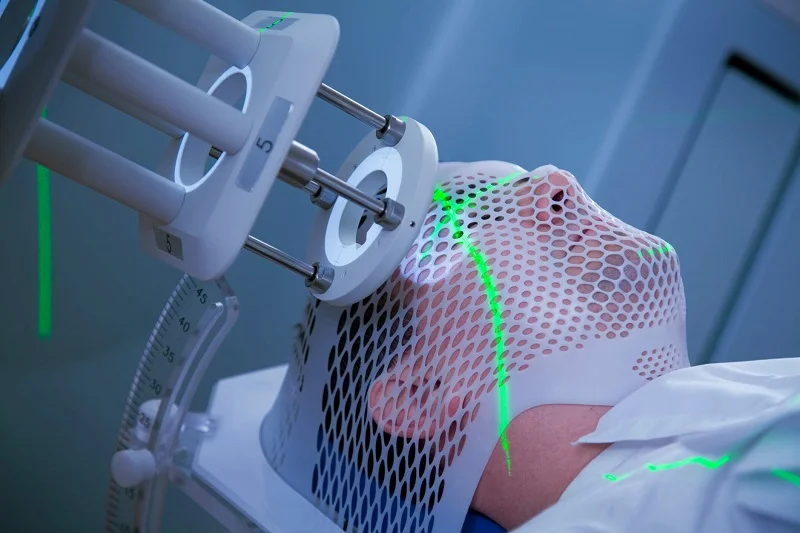
Precision Stereotactic Surgery In Nagpur By Dr.Ritesh Nawkhare
Stereotactic Surgery In Nagpur is a specialised neurosurgical approach that helps surgeons reach specific areas of the brain with carefully planned precision. It uses advanced imaging and computer-assisted guidance to identify the treatment target and plan the safest surgical pathway. This technique may be considered for selected brain conditions where accurate access to a deep or difficult-to-reach area is important. Dr. Ritesh Nawkhare evaluates each patient individually and recommends stereotactic surgery only when it suits the diagnosis and treatment needs. At Neurosys Multispeciality Centre In Nagpur, the focus remains on accurate diagnosis, detailed surgical planning, patient safety, and appropriate follow-up. A thorough consultation helps patients understand why stereotactic surgery may be recommended, what the procedure involves, and what recovery may look like.
What Is Stereotactic Surgery?
Stereotactic surgery is a highly precise neurosurgical technique used to locate and access specific areas within the brain. The surgeon uses detailed imaging, such as MRI or CT scans, to create a three-dimensional map of the brain. This information helps guide instruments toward the planned target while limiting unnecessary disturbance to surrounding tissue. Depending on the condition, stereotactic techniques may support procedures such as tissue biopsy, lesion sampling, drainage, or selected therapeutic interventions. The exact approach depends on the location and nature of the abnormality, as well as the patient’s overall health. Dr. Ritesh Nawkhare carefully reviews imaging and clinical findings before deciding whether this technique is appropriate. Stereotactic surgery does not mean the same procedure for every patient. Instead, it provides a precise framework that can be adapted to different neurosurgical situations.
Conditions That May Require Stereotactic Surgery
Doctors may consider stereotactic techniques when a brain abnormality lies in a location where direct surgical access could be challenging. The technique can help the neurosurgeon reach a specific target with careful planning and image guidance. However, not every brain condition requires stereotactic surgery. The decision depends on the diagnosis, location, size, and characteristics of the abnormality.
• Brain lesions requiring tissue diagnosis
• Selected brain tumours
• Deep-seated brain abnormalities
• Certain cystic or fluid-filled lesions
• Selected vascular or structural abnormalities
• Conditions requiring targeted sampling
• Selected functional neurosurgical conditions
At Neurosys Multispeciality Centre In Nagpur, Dr. Ritesh Nawkhare assesses each case before recommending a stereotactic procedure. Imaging studies and other diagnostic findings help determine whether this approach can provide useful access to the affected area. The primary goal remains accurate diagnosis or appropriate treatment while considering the patient’s safety.
How Does Stereotactic Surgery Work?
Stereotactic surgery starts with detailed brain imaging. MRI or CT scans help the neurosurgeon identify the exact location and structure of the area that needs evaluation or treatment. Specialised planning software can then create a three-dimensional view of the brain and help map the intended surgical target. Using these images, the neurosurgeon plans the safest and most suitable route to the target. During the procedure, specialised equipment helps the surgical team maintain accurate positioning and follow the planned pathway. Depending on the patient’s condition, the neurosurgeon may collect a tissue sample, reach a brain lesion, or perform another targeted procedure. The technique can vary based on the location and nature of the condition. Dr. Ritesh Nawkhare reviews the patient’s symptoms, imaging results, medical history, and treatment goals before selecting the surgical approach. This careful assessment helps him choose stereotactic surgery when it offers a clear clinical benefit for the patient.
Benefits of Stereotactic Neurosurgery
The main advantage of stereotactic neurosurgery is its ability to provide carefully planned access to a specific area of the brain. This can be particularly useful when the target lies deep within the brain or in a location where conventional access may be difficult. Image-guided planning allows the neurosurgical team to understand the target and surrounding structures before the procedure.
Potential advantages may include:
• Precise identification of the surgical target
• Detailed preoperative planning
• Targeted access to selected brain lesions
• Reduced disturbance to surrounding brain tissue in appropriate procedures
• Smaller surgical access in certain techniques
• Useful tissue sampling for selected brain lesions
• Support for diagnosis and treatment planning
However, benefits vary according to the procedure and the patient’s condition. Stereotactic surgery still carries potential risks, and no surgical technique is completely risk-free. Dr. Ritesh Nawkhare discusses the expected benefits, possible complications, and alternative treatment options before recommending the procedure.
Advanced Stereotactic Surgical Planning In Nagpur
Careful planning plays an important role in stereotactic surgery. The neurosurgical team first identifies the exact target and studies its position in relation to nearby brain structures. Detailed MRI or CT imaging helps the team understand this anatomy and plan an appropriate surgical pathway. Depending on the patient’s condition, the doctor may also recommend additional tests before finalising the treatment plan. Dr. Ritesh Nawkhare reviews the patient’s symptoms, neurological examination, medical history, and imaging results before choosing the surgical approach. He also considers the location, size, and characteristics of the abnormality. In some cases, stereotactic surgery can help obtain a tissue sample and establish a diagnosis. In other situations, medication, monitoring, radiation-based treatment, conventional surgery, or another approach may provide a more suitable option.
At Neurosys Multispeciality Centre In Nagpur, Dr. Ritesh Nawkhare focuses on choosing an appropriate procedure for each patient. Detailed planning helps the surgical team reach the intended target with precision while keeping patient safety a key priority.
Stereotactic Brain Biopsy
A stereotactic brain biopsy may be recommended when doctors need a tissue sample to understand the nature of a brain lesion. Some lesions may not require or allow removal through conventional open surgery. In such situations, a carefully planned stereotactic approach can provide access to the target and allow the neurosurgeon to obtain a sample for laboratory examination.
The tissue can help doctors identify the type of lesion and guide further treatment. This information may influence decisions about surgery, radiation therapy, medication, or other specialised treatments. The need for biopsy depends on the individual case, and imaging alone may sometimes provide enough information for treatment planning.
Dr. Ritesh Nawkhare reviews the patient’s scans and clinical findings before deciding whether stereotactic biopsy is appropriate. He also considers factors such as the location of the lesion, potential risks, and the expected value of obtaining a tissue diagnosis.
Stereotactic Surgery For Deep-Seated Brain Lesions
Some brain lesions develop in areas that are difficult to reach through conventional surgical routes. Their location may place important brain structures along or near potential surgical pathways. In selected cases, stereotactic techniques can provide a more targeted route to the area requiring evaluation or treatment. The procedure begins with detailed imaging and surgical mapping. The neurosurgeon identifies the target and plans the approach based on its location and surrounding anatomy. The technique used depends on the condition and the purpose of the procedure. Not every deep-seated lesion requires stereotactic surgery. Some patients may benefit from observation, medication, radiation-based treatment, conventional surgery, or another approach. Dr. Ritesh Nawkhare evaluates these options before recommending a procedure. At Neurosys Multispeciality Centre In Nagpur, treatment decisions are based on the patient’s individual diagnosis rather than on a one-size-fits-all surgical plan.
Recovery After Stereotactic Surgery
Recovery after stereotactic surgery depends on the type of procedure, the reason for surgery, the patient’s overall health, and whether additional treatment is required. Some patients may need observation in the hospital after the procedure, while others may return home after an appropriate period of monitoring. The medical team provides specific instructions based on the procedure performed.
During recovery, patients may need to:
• Take prescribed medicines as directed
• Keep scheduled follow-upappointments
• Follow wound-care instructions when applicable
• Avoid strenuous activities until medically advised
• Monitor for new or worsening symptoms
• Follow rehabilitation advice when required
• Complete additional tests or treatment when recommended
Patients should contact their medical team if they develop concerning symptoms after surgery. Recovery is individual, so patients should follow the instructions provided by Dr. Ritesh Nawkhare and the treating team rather than comparing their recovery with someone else’s experience.
Precision Starts Before the Procedure
The accuracy of stereotactic surgery depends heavily on preparation. Before the procedure, the neurosurgical team studies the patient’s brain scans and identifies the exact area that needs attention. The relationship between the target and nearby blood vessels, functional areas, and other important structures also needs careful consideration. This information helps the surgeon decide how to approach the target.
Dr. Ritesh Nawkhare considers more than just the scan. Symptoms, neurological examination findings, previous treatment, medical conditions, and the suspected diagnosis all contribute to the treatment decision. In some cases, additional investigations may be required before surgery. This detailed assessment helps determine whether stereotactic surgery offers a meaningful benefit. If another treatment provides a better balance between effectiveness and risk, that option may be recommended instead. At Neurosys Multispeciality Centre In Nagpur, the emphasis remains on appropriate patient selection and thoughtful surgical planning.
When Should You Consult a Neurosurgeon?
A neurosurgical consultation may be appropriate when imaging reveals a brain lesion or when symptoms suggest a condition that may require specialised neurological assessment. Patients may be referred by a neurologist, physician, oncologist, or another specialist when surgery or a tissue diagnosis needs consideration.
You may be advised to consult a neurosurgeon if you have:
• An unexplained brain lesion on MRI or CT
• A suspected brain tumour
• A deep-seated brain abnormality
• Persistent neurological symptoms associated with an imaging finding
• A lesion requiring tissue diagnosis
• A condition that may benefit from targeted neurosurgical treatment
A consultation does not automatically mean that you need surgery. Dr. Ritesh Nawkhare first reviews your medical history, symptoms, examination findings, and available scans. He can then explain whether stereotactic surgery, another treatment, or continued monitoring may be more suitable for your condition.
Why Choose Dr. Ritesh Nawkhare For Stereotactic Surgery?
Dr. Ritesh Nawkhare is a neurosurgeon with qualifications including MBBS, MS in General Surgery, and MCh in Neurosurgery. His neurosurgical practice covers conditions involving the brain, spine, and nervous system. He approaches each case by reviewing the patient’s symptoms, neurological findings, imaging, and overall medical history.
For patients being considered for stereotactic surgery, careful assessment is especially important because the procedure requires precise identification of the treatment target. Dr. Nawkhare evaluates whether stereotactic surgery is appropriate and explains the available options before treatment.
At Neurosys Multispeciality Centre In Nagpur, patients can discuss their diagnosis, recommended procedure, expected benefits, possible risks, and recovery plan during consultation. The aim is to provide clear information and help patients make informed decisions about their neurosurgical care.
Conclusion
Stereotactic Surgery In Nagpur provides a carefully planned approach for selected brain conditions that require precise access, tissue sampling, or targeted intervention. Advanced imaging and surgical guidance help the neurosurgeon identify the intended target and plan an appropriate route. However, stereotactic surgery is not suitable for every patient. The right treatment depends on the diagnosis, location of the abnormality, symptoms, overall health, and available alternatives. Dr. Ritesh Nawkhare evaluates these factors before recommending a procedure. At Neurosys Multispeciality Centre In Nagpur, the focus remains on accurate diagnosis, personalised treatment planning, patient safety, and appropriate follow-up. If you have been diagnosed with a brain lesion or have been advised to consider stereotactic surgery, a detailed neurosurgical consultation can help you understand your condition and make an informed decision about the next step.
Frequently Asked Questions
Stereotactic surgery is a precise neurosurgical technique that uses brain imaging and specialised guidance to reach a specific target.
It may be used for selected brain conditions, including certain lesions that require tissue sampling or targeted treatment.
No. Suitability depends on the diagnosis, location of the abnormality, medical history, and treatment goals.
It may be used for selected brain tumours, particularly when a tissue sample is needed for diagnosis.
Every neurosurgical procedure carries potential risks. Your neurosurgeon will explain the risks and expected benefits based on your individual condition.
MRI or CT imaging is commonly used for surgical planning. Additional tests may be recommended depending on the condition.
Book a Consultation For Sterotactic Surgery In Nagpur
If you have been advised to undergo stereotactic surgery or need further evaluation of a brain lesion, consider discussing your case with Dr. Ritesh Nawkhare, Neurosurgeon in Nagpur. A consultation allows you to review your symptoms, previous treatments, MRI or CT scans, and other medical reports. Dr. Nawkhare can assess whether stereotactic surgery is appropriate and explain other available treatment options when necessary. At Neurosys Multispeciality Centre In Nagpur, treatment planning focuses on the individual patient’s condition rather than using the same approach for everyone. You can discuss the purpose of the recommended procedure, expected benefits, possible risks, recovery, and follow-up requirements. Bring your previous imaging reports, scan images, prescriptions, and relevant medical records to your appointment. A detailed evaluation can help clarify your diagnosis and guide the next stage of care.