
Head injuries are damage to the scalp, skull, or brain caused by trauma. When it affects the brain, they’re called a traumatic brain injury, or TBI.
To most people, head injuries are considered an acceptable risk when engaging in sports and other types of recreational activities. But they’re dangerous. They can lead to permanent disability, mental impairment, and even death. There are steps you can take to lower the risk and protect yourself and your children.
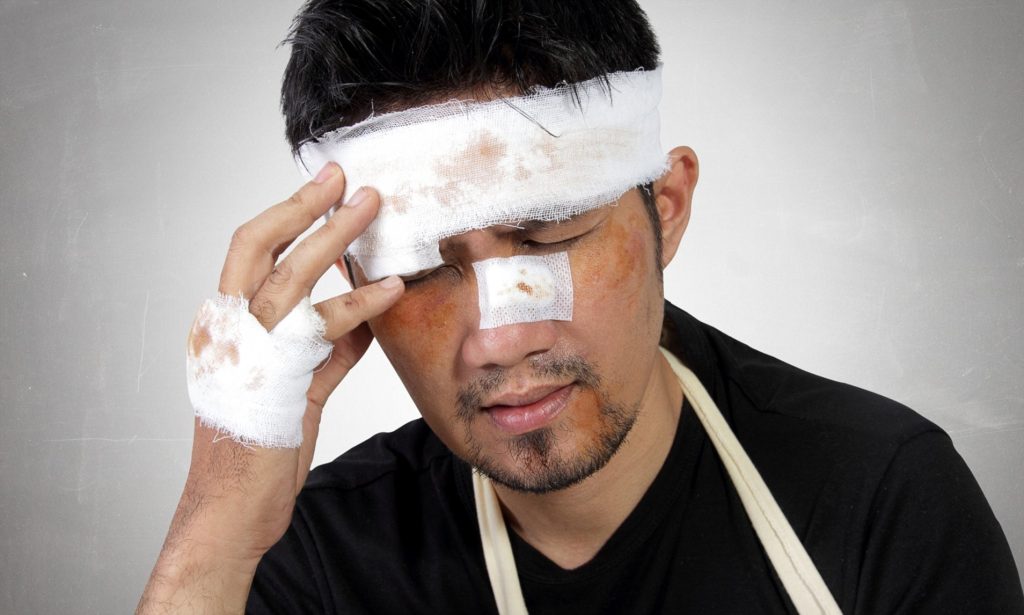
Types of Head Injuries
There are many different types of head injuries.
Concussion. This is the most common type of head injury. A concussion is a type of traumatic brain injury (TBI) that happens when the brain is jarred or shaken hard enough to bounce against the skull. It can range from mild to severe. You don’t have to be hit in the head to get a concussion. An impact elsewhere on the body can create enough force to jar the brain.
Contusion. A bruise on the actual brain itself is called a contusion. It can cause bleeding and swelling.
Intracranial hematoma (ICH). This is bleeding under the skull in the brain that forms a clot. Brain hematomas range from mild to severe and are grouped according to where they form.
Skull fracture. Sometimes, a broken skull bone can affect the brain. The broken pieces of bone can cut into the brain and cause bleeding and other types of injury.
Head Injury Causes
The most common causes of head injuries are:
Car or motorcycle accidents
Falls
Child abuse
Acts of violence
A concussion or other head injury can also happen when two athletes collide or a player is hit in the head with a piece of sporting equipment. In soccer, even “heading” the ball can cause a concussion.
Among the sports-related activities that cause the highest number of head injuries for all ages:
Cycling
Football
Basketball
Baseball and softball
Riding powered recreational vehicles such as dune buggies, go-karts, and mini bikes